Skin of Blackness: The Mormon Curse
Listen on Apple Podcasts Spotify YouTube Download MP3
About this episode
Julia Sanders, Nemo, Gerardo Sumano, and John Dehlin continue their LDS Discussions series with a second look at the Book of Mormon’s “skin of blackness” teaching, responding directly to apologetics videos from Scripture Central’s Jasmin Rappleye. Julia traces how early church leaders, including Joseph Smith and Brigham Young, took for granted that Native Americans were the Book of Mormon’s Lamanites, even instructing followers to “buy up” Native children as part of church colonization efforts. The panel walks through the church-endorsed Indian Student Placement Program, which placed roughly 50,000 Native children with white Latter-day Saint host families between 1954 and 2000, and discusses Brigham Young’s descriptions of Native people as “savage” alongside the scripture’s promise that righteousness would make the cursed skin turn “white and delightsome.” Julia offers a more charitable reading of “delightsome,” and Dehlin pushes back, asking the panel to say plainly why the Book of Mormon says God gave the Lamanites their skin, with Nemo answering that it was meant to make them unappealing to the Nephites.
The group then traces how, as archaeology failed to support a strictly Native American Lamanite identity, church rhetoric quietly broadened “Lamanite” to include Polynesians and Latin Americans, and how DNA evidence further undercut the traditional reading. They walk through a 2007 Salt Lake Tribune report on a quiet, unannounced edit to the Book of Mormon’s introduction, changing Lamanites from the “principal ancestors” of American Indians to merely “among” their ancestors, an edit later carried into the church’s own 2013 edition without any public acknowledgment that earlier teaching had been wrong. Mike, host of LDS Discussions, and Gerardo add detail on a 2020 Come Follow Me manual that still leaned on the old framework. The episode closes by weighing newer apologetic readings suggesting the “skin of blackness” might mean paint, tattoos, or clothing rather than literal race, and arguing that these reinterpretations erase the real historical harm the older teaching caused to Native people.
What’s covered
- 00:04:56 The Book of Mormon’s skin of blackness doctrine
- 00:14:44 Early church leaders on Lamanites and Native Americans
- 00:32:44 Shifting views from the 1900s to the modern era
- 00:51:33 The Indian Student Placement Program
- 01:00:30 Whiteness and delightsomeness in church teaching
- 01:12:38 General authorities distance from Lamanite identity
- 01:21:48 Book of Mormon introduction and DNA evidence
- 01:32:30 Changing editions and the Lamanite casting controversy
- 01:47:06 Church manuals revise racist scriptural language
- 02:01:49 Ongoing harm and interpretive challenges today
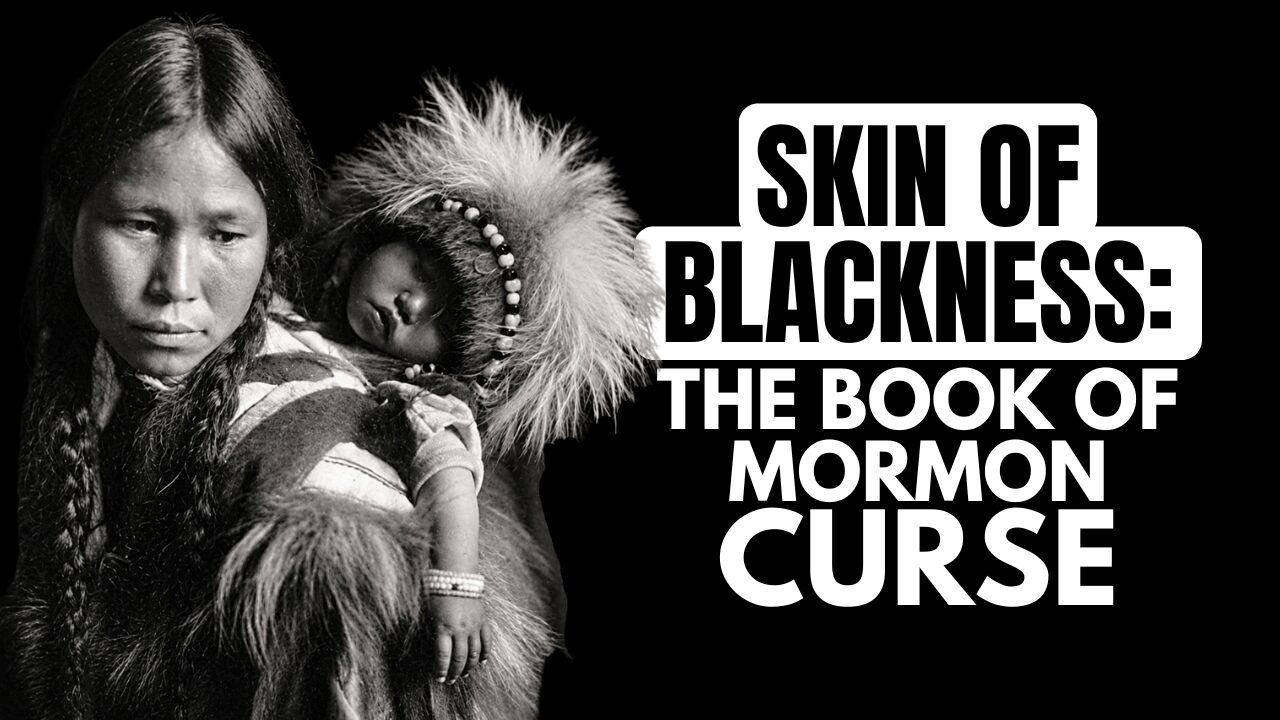
Thumbnail: Image from archives.gov
Related episodes: How Modern Mormons Still Defend Racist Scripture | LDS Discussions 56 | Ep. 1924 · Skin of Blackness and Mormon Apologetics | LDS Discussions 58 | Ep. 1952 · Race & Mormon Scripture Pt 1 w/ LDS Discussions – 21 | Ep. 1663
Originally published on mormonstories.org.
Transcript
Machine-generated and lightly edited. Click any timestamp to jump the audio to that moment. The audio is authoritative; please check it before quoting.
Introduction and Episode Overview
John Dehlin Hello everyone and welcome to another edition of Mormon Stories podcast. I'm your host, John Dehlin. It's Wednesday, July 31, 2024 and today we are going to be talking about the Book of Mormon, the Mormon Church's most sacred scripture. Its teachings about God cursing Native Americans with the skin of blackness. And specifically this is part of a multi part series of the LDS discussions series. So on Mormon Stories podcast we have been covering Mormon Church truth claims with a panel of thoughtful and humorous and cool guests. And we're about 50 episodes in. You can check us out on all the platforms. But we're in the middle of a series on discussing the Mormon Church's evolving narrative around trying to justify, make excuses for hand, wave away the Mormon Church's long standing teachings from its most sacred text, the Book of Mormon. That God curses people with dark skin because of wickedness so that they will be perceived as loathsome to white people. And that's what the Book of Mormon says. Last episode in this LDS discussion series, we talked about how Joseph Smith and all the top church leaders around him throughout the 19th century were very clear on the fact that skin means skin, black means black, or dark curse means God. God did it, and, and that it was the late Lamanites or the Native Americans who were the subject of the specific curse referred to in the Book of Mormon. So we talked about that as a foundation last episode. This episode we're going to be talking about how in the 20th century, the Mormon Church is trying to move the goalposts, change the narrative as society becomes less and less tolerant of blatant grotesque racism. Was that a neutral, unbiased introduction panel?
Julia Sanders I just, I thought that was great.
John Dehlin Well, as you could hear, I'll say
Gerardo Sumano it depends on who you ask.
John Dehlin How about you, Gerardo? You're the subject of the curse.
Gerardo Sumano I mean, you know, it was pretty fair to me. That's, that's.
John Dehlin Well, you're the authority. Well, the. The chief producer and researcher for today's episode, we have back Julia Sanders, also known as analyzing Mormonism on Tick Tock and Instagram. Hey, Julia.
Julia Sanders Hi.
John Dehlin How are you feeling about today?
Julia Sanders I'm good.
John Dehlin Okay. We're excited for you to be doing this and carrying on the tradition of Mike who can't join us over the summers. We wish Mike a good summer. He's the Author of the LDS Discussions essays@ LDSDiscussions.com and whenever it's not summer, we love having Mike join us. But I can't say we're trading down to have Gerardo in Mike's place. Gerardo, welcome back.
Gerardo Sumano Of course.
John Dehlin I was going to make a joke and say you're a resident laymanite. Is that offensive?
Gerardo Sumano Not offensive. No, no, no. I'm okay being called a laymanite.
John Dehlin Okay, well, the church doesn't want you call the laymanite these days.
Gerardo Sumano Yeah.
John Dehlin You're from Mexico and so you feel passionately about this issue. Is that right?
Gerardo Sumano Yeah, for sure.
John Dehlin All right. And Nemo, are you Lamanite? I don't even know what to call you.
Nemo I don't know. I. I've been called many things over the years. I'm not a laymanite. No, I. I'm. We used to get excited whenever the Book of Mormon mentioned the Isles of the Sea.
Mike (LDS Discussions) Oh.
Nemo Because we're, you know, an island nation, obviously. So, yeah, we get excited whenever the Isles of the Sea comes up.
John Dehlin So you're a junior islander, basically?
Nemo Sort of.
John Dehlin Yeah.
Nemo Quite an important island as it goes.
John Dehlin I mean, as. As far as islands go, right?
Julia Sanders Yeah.
John Dehlin I mean, for as far as islands go, the UK is, you know, is pretty cool.
Nemo It's all right.
John Dehlin Nima also, of course, is the. Is the lead and host on Nemo, the Mormon YouTube channel. Check them out. They do great work. All right, well, I gave a bit of an intro, Julia, but this is part two. Anything else you want to add or take away from the intro?
Julia Sanders I think your introduction was really good. I think so. Like, last time we talked about just the establishment, they knew exactly who the Lamanites were and they sent missionaries there. There was no confusion. You know, dark skin was dark skin, like the actual skin color. And so that's just. We're going to be talking about how those. That same view stay, this stayed, remain, and then it slowly shifted. So we're going to talk about that
John Dehlin shift, how the church is basically moving the goalposts.
Julia Sanders Yeah, exactly.
The Book of Mormon's Skin of Blackness Doctrine
John Dehlin All right, let's jump in.
Julia Sanders Yeah. So I. I still want to start about. Because we're really responding to. To Jasmine. I'm not going to say her last name correctly. Rap. Alai. Yes. From Scripture Central or Scripture plus on her Tick tock. So I wanted to start off with another clip from her from her YouTube channel.
John Dehlin And for those who don't know, she's one of the, I don't know, Millennium or Gen z apologists in 2024. That's sort of the front person for really bad, poorly researched, disingenuous, apologetic responses to embarrassing Mormon Church problems around his truth claims. Is that fair?
Nemo That's how you really feel, John.
John Dehlin But it's also her husband Neil, who helps write this. This stuff. And I'm sure researchers of the BYU that are paid six figures by the church to come up with this stuff. All right, go ahead, Julie.
Julia Sanders Okay, so now I'll show the clip.
John Dehlin All right.
Guest 2 For a lot of people, the Book of Mormon can become uncomfortable when we read about a group of people called the Lamanites being cursed and a skin of blackness coming upon them, to a modern audience, this sounds not great. Many have gone so far as to call the Book of Mormon racist. But here's the thing. Based on the best scholarship we have, the Lamanite skin of blackness is probably not at all what it sounds like. And we went through hundreds of pages of scholarship to make this video, and we found that there are several things that the skin of blackness could be that aren't skin. And you've probably never even heard of the three we'll be talking about today. So in this video, we're going to be breaking down exactly what the Book of Mormon says on this topic. We'll then go over the different possibilities for the skin of blackness from an ancient perspective. We're going to show how the Book of Mormon is not racist, but carries an incredible.
Julia Sanders Sorry, she got cut off on the end. She carries an incredibly inclusive message, I think, is how she finishes her.
Nemo Yeah. For a book that is literally all about essentially two groups of people otherizing each other throughout the entire book, it's incredibly inclusive.
Julia Sanders Yeah.
John Dehlin Gerardo, I don't even know that we gave you a chance to respond to this, but like someone who was told they were a laymanite from their birth, someone who was raised in the church, someone who read the Book of Mormon, served a Mormon mission, was probably proud to identify as a Lamanite throughout your life before you realized kind of what it really meant. How does it now feel to have Jasmine Rapalai and Neil Rapalai and Mormon apologists tell you that they really didn't mean skin, but instead they meant paint or tattoos or animal skins. I'm just curious what your emotional and intellectual reactions are to hearing that. Apologetic?
Gerardo Sumano Well, yeah, I. I'll say two things about how I felt growing up, being told that I was a laymanite. I think while I think there is a. A sense of feeling, pride, of. Of being a Lamanite or a descendant of. Of Lehi. There is also this added layer to it that kind of tells you, you know, that where your consciousness knows that your dark skin is a sign of a curse that was given to your ancestors and that you're never going to be as good or as righteous as the white people in Salt Lake. I think that's how maybe some of these feelings while, while they're not communicated, I think that's how a lot of Mexicans, Latter Day Saints would feel about it because obviously when we look at what the leadership looks like in Salt Lake and who's running the church, it's always white people. And the Book of Mormon talks really clearly that, you know, white skin is associated with righteousness. So and you know, and the, and it was going to be the Gentiles who were going to run the, the church in the latter days because the Lamanites had lost their, their chance because of their wickedness. So. So yeah, it is kind of complicated. So I don't know, hearing the. This, this, and, and I'll say this. I went on my mission in 2000, 2013, when at least then the narrative was still that and I served my mission Mexico. The narrative was still that we were all gonna go and convert laymanites in Mexico. And that's what we taught that when I went to people's homes as a missionary and knock on their doors, we would say that this is a book written by, by their ancestors. And you know, the, the, and that's one of the reasons why they should care about the Book of Mormon. So, so hearing now that, that that rhetoric is being changed or shift shifting in the US at least I don't think the memo has a, has, has gotten to Mexico, I'm pretty sure, but it's obviously due to, you know, the modern sensitivities of what these scriptures mean when, when we're associating dark skin with, with a curse. I'm glad we're having those conversations. I, I think it's a little bit not, you know, dishonest to, to try to say that, you know, like the Book of Mormon doesn't mean skin and doesn't mean dark and doesn't mean black and doesn't mean a curse when that's clearly what has been taught for, for many, many years.
John Dehlin So all those laymanites in Mexico and Central and South America do have they ever heard of the idea that when the Book of Mormon says skin of blackness, it means tattoos, animal skin or paint? Is that if you ever heard that anywhere ever?
Gerardo Sumano No, I, I don't think, I think if you went to do a survey in Mexico today and, and I'm, and you know, I have a lot of family in Mexico. My, my dad, my, my family are in Leadership in Mexico. So I'm pretty confident about what I'm about to say. I think if you were to do a survey today in Mexico about what, about if they've ever heard this rhetoric, this new rhetoric about, you know, paint and tattoos and, and what a skin of blackness really mean. I think most members in Mexico wouldn't have ever heard this rhetoric taught to them.
John Dehlin Okay.
Nemo And I think, I think it's dangerous when we just start redefining words. Like I've just done a quick search for the word sin in Scripture, for example, and you go to like Alma 45:16, the Lord cannot look upon sin with the least degree of allowance. Well, Lord didn't really mean sin, did he? God's actually kind of okay with sin. The church would be immediately running to whoever's espousing that narrative to shut this down and go, no, no, sin is what we tell you sin is. And we can't have you saying that God's okay with sin, blah, blah, blah. It's the same thing. But except for the church isn't running to shut these people down. They're actually sponsoring these people because it's convenient to the Church's position that people in Mexico aren't aware that the narrative has changed north of the border. Perhaps, you know, they're not aware of that shift and that's convenient to the Church because if they don't need to upset the apple cart down there, if they let people feel special, feel like they're descendants of the people of the Book of Mormon etc, then they'll just let that happen. It's, it's all, it seems to me it's all about sort of narrative control and control over the story.
Julia Sanders Wait, John, you mentioned this before, but do we know for sure if the Church is funding Scripture plus or Scripture Central?
John Dehlin I'm pretty sure it's through the More Good Foundation.
Gerardo Sumano We actually, we actually made an episode a couple years ago where we found donations directly from the LDS Church to Book of Mormon Central. That was the only one, the only apologist organization plus more Good foundation where we could find like where the LDS Church is directly giving hundreds of thousands in donations to, to Book of Mormon Central.
John Dehlin And I'm pretty sure I remember a recording of a Jeffrey R. Holland talk where he fundraises specifically for Book of Mormon Central and these types of non profits. It's a way for the Mormon Church to fund really bad, dishonest, shoddy, scholarly responses that are misleading, but to do it at arm's length so that they can't be Held accountable for the dishonesty.
Julia Sanders Yeah, I was gonna say. Yeah, I was gonna say, because in their manuals, which we're gonna show, they kind of. The church kind of takes the. They're adopting this theory that it's just symbolism. That's just a symbolic skin of blackness. So it does seem like it's an arm on an arm's length away to say that it's paint or tattoos or. Or dark coats. So, yeah, just thought that was super interesting.
Nemo So before we get to that, let's have a look at the history.
John Dehlin Let's do it.
Julia Sanders Right. Okay. So right now, we're talking about the history from Brigham Young up till the 1900s. Oh, whoops.
John Dehlin Because we covered Joseph Smith and we covered last time.
Julia Sanders Yeah, exactly.
John Dehlin Okay.
Mike (LDS Discussions) Perfect.
Julia Sanders Nemo, do you want to talk about this one?
Nemo Sure. Absolutely. Buy up the children. May 12, 1851. In the journal History of the Church for May 12, 1851, Brigham Young advised the people to buy up the Lamanite children as fast as they could and educate them and teach them the gospel so that not many generations would pass ere they would become white and delightsome people. He remarked that the Lord could not have devised a better plan than to put the Saints where they were in order to accomplish the redemption of the Lamanites. And Wilford Woodruff's journal also reflects the same language.
Early Church Leaders on Lamanites and Native Americans
Julia Sanders Yeah. So as we established last time with Joseph Smith, they had no doubt that the. That the Native Americans were Lamanites. And here we. We're seeing. There's a history. This isn't. This isn't the focus of this episode, but there's a history of the Mormons being involved in human trafficking where they're buying up these. So Native Americans were selling Native Americans, and then they. Of course, the members of the church call them Lamanites, where he. This is what he's referring to. He says to buy up the Lamanite children as fast as you can, and we can colonize them, we can educate them, we can make them members of the church and things like that. And so this is just.
John Dehlin Why would God tell a prophet to buy children in. In the. In the 19th century?
Nemo This is the same God that told that. That told prophets to marry other men's wives. So. Or this is not a God that respects the autonomy of individuals.
John Dehlin Yeah, yeah, yeah.
Julia Sanders The Saints were also using the Bible to. To explain slavery or to justify slavery. So I don't know. It's just.
Nemo Yeah. Wasn't it Brigham Young that said, as far as man understands the scriptures, Correctly, he will uphold slavery. Something like that.
Julia Sanders Exactly.
John Dehlin And then also, you know, we should just mention this. This comes out in our series on, you know, Second Class Saints by, by Matt Harris. But, you know, this book, it's so good. There's Several quotes where 20th century Mormon prophets continually talk about the. The Lamanites and even Mormons of African descent, when they become faithful, their skin lightening, becoming white, turning from dark skin to light skin, if they're worthy. And in. You know, it looks like Spence W. Kimball came upon it honestly, because there it is. They would become a white and delightsome people. So all that Markey Peterson, Spence W. Kimball racism of the 20th century dates at least back to Brigham Young in, in the 1850s, where he's saying the dark skin will become white and delightsome. And that doesn't just come from Joseph Smith. It comes from the Book of Mormon itself. But he's not talking about paint being removed with paint thinner. He's not talking about the animal clothes taken off or the tattoos removed. He's talking about skin, isn't he?
Julia Sanders Right. And then we'll talk about more today. And we talked about it yesterday where Joseph Smith had. He was giving revelations about marrying up the Lamanites, marrying up the Native Americans, in which case that would help change the skin color. And you don't, you don't marry somebody to change skin color. If it's a tattoo or paint or a coat. Like, that's just not how that works.
John Dehlin Okay, brilliant. Great find, Julie.
Julia Sanders Okay, so there's another one about the Gadian robbers, her order. Do you want to read this one?
Mike (LDS Discussions) Sure.
Gerardo Sumano In Wilford Woodruff's own journal, he also quotes Brigham Young as saying this Indians were the descendants of the old Gadianton Rover robbers who infested these mountains for more than a thousand years.
Julia Sanders And that was just a couple days after the first one. So it was May 16th of 1851. So in the Book of Mormon, the Gadian robbers are this group of Lamanites that break off and they're like, even more wicked, and they're even, like, more terrible. And so Brigham Young is associating these, these Native Americans, these Indians, to Gadian robbers. And so that's just another reiteration to
Nemo John's point about, you know, what kind of person is, like, buying up children, etc. One of the keys to being able to do that is to dehumanize people. And using language like infested goes a long way to dehumanizing individuals. So saying that they, you know, they're they are the descendants of those who infested mountains is definitely putting these people on a. On a almost subhuman sort of place.
Julia Sanders Yeah, that's a really good point. To dehumanize them. Yeah. Okay, so this next one is Brigham Young. John, do you want to read this one?
John Dehlin Absolutely. So this is Brigham Young again, 1852. Throughout early Mormon history, the words Lamanite and Native American or Indian were all the same. Or I'd say interchangeable. So in 1852, Brigham Young instructed the Saints on interracial marriage with the Native Americans, and that by so doing, the curse would be removed. Quote, we are now going to the Lamanites, to whom we intend to be messengers of instruction. We will show them that in consequence of their transgressions, a curse has been inflicted upon them in the darkness of their skins. Notice it doesn't say tattoos, animal hair, or paint. It says darkness of skins. That's for Jasmine and Neil and their friends. We will have intermarriages with them. They marrying our young women, and we taking their young squaws to wife. I wonder if the young squaws get to consent to that. Anyway, by these means, it is the will of the Lord that the curse of their color shall be removed and they restored to their pristine beauty. Now, that's gross in 12 different ways and offensive. But I'm confused about something, Julia, because my understanding is Brigham Young was not a fan of interracial marriage and that that was one of the reasons he implemented the priesthood ban on those of African descent from the beginning. However, now that I think about it, maybe Brigham Young only hated interracial marriage with people of African descent. He was okay with interracial marriage, Indian descent. And I want to know why he was okay with some dark people, but not okay with other dark people. His head. But, Julia, first, I'm sorry.
Julia Sanders I was just going to say that from our last episode, Joseph Smith is pushing this narrative. He's like, marry up the Lamanites, Marriott, the Native Americans. And so I wonder if, like, I wonder if Brigham Young would just had that mindset. Like Joseph Smith said it was okay. He received this revelation from God, and he's not going to. He's not going to change that. So that's just my first thought. But, Nema, what were you going to say?
Nemo Well, think about the book that. That Joseph Smith didn't teach a ton from, but this part of the church, this era of the church, now we're teaching a lot more from the Book of Mormon, right? This is a Book about the Lamanites and the prides and the Nephites and the pride cycle. The Lamanites are redeemed, and then they fall, and then they're redeemed, and then they fall. So this charge from Brigham Young is, go and redeem the Lamanites. Go and bring them to the right path. Part of the pride cycle. Again, go and bring them back to the part where they're righteous with God. Go do that. The difference is people of black of African descent are cursed with the curse of Cain, which is a very different curse. It was a curse who was put upon someone who did something so awful, fratricide, they killed their brother that there's no redemption from. That would be possibly part of the argument. Right? That's a different curse. It's not part of a cycle of righteousness and fall and righteousness and fall that the Lamanites are involved in.
Gerardo Sumano I. I think the point of Matt Harris book and what we have been covering John for, for this, all the episodes that we recorded with him, is that the racist, the racism of the brethren against people of African descent is on a way, on a different level than racism against other races. And, and you'll remember, I mean, Brigham Young didn't try to take the priesthood away from Native Americans and. But he did for black. Black people. So it is, it is, it is obvious that the racism there was. Was different. And then if we think about, you know, how BYU was really proud of having people for. From multiple countries, like Asia and, and Hispanic countries, but then they would purposely not allow black black people from African descent into. Into the university. You know, it's clear that, that the racism against black people of African descent has always been on a different level than people of other races as far as the Mormon Church is concerned.
Julia Sanders I think that's excellent to point out. I also wonder if, because he's talking about marriage specifically. I also wonder if Brigham Young, because he knows it's not skin, it's not coats or tattoos or paint or whatever. I think he. I wonder if he's trying to say the only way to get this curse removed and to turn their skin white is to marry them. And so, like, I just wonder if that's maybe where he's coming from. But. But yeah, this. You're right, Gerardo. I think you're totally right about that. The, the racism is on a totally different level with people of African descent
Nemo because you have to go deeper than that, because you could make that same argument for, you know, people of African descent. You could say well, marry them and then their skin will become lighter. Right. That doesn't, that, that. I guess some of the broader point here is that it's not logical. Right. So racism isn't particularly logical. We're very good at making excuses for it because we feel a certain way about a group of people. But ultimately there will be post hoc logic for why it's okay to say if you marry someone of African descent, you're, you should be beheaded on the spot and your children killed, as I believe Brigham Young said. But a different type of darker skin is fine and they'll be using the scriptural justification. Some of the points I kind of pointed to about the Book of Mormon, etc, but ultimately there isn't really any logic to it beyond they have a feeling that black people of African descent are worse. And that's just, that's just going to come through.
Julia Sanders Yeah.
John Dehlin And I'm, I'm, I, I don't know my American history at all, but Obviously prior to 1864, we, we were enslaving, at a minimum, Africans for, you know, primarily agricultural work. I know that they were Native American slaves, but I don't get the sense that Native American slavery in the 19th century or even 18th century was anywhere as prevalent as African slavery. I, I, But I don't know if what the differences might have been in terms of volume or legality.
Gerardo Sumano Well, there was never segregation for, like in America for, for Native Americans. And I mean, I think neighbor Native Americans chose to stay in their reservations. But, but there was never, like, okay, like we're gonna have schools for Native Americans and schools for white people.
John Dehlin But there wasn't a slave trade where, like I, where frontiersmen would go into reservations, kidnap, that's right, children and then sell them into slavery. Correct.
Gerardo Sumano I think there was some of that and I think Julia did some research on that for a later episode.
John Dehlin Okay.
Gerardo Sumano At least in, yeah, but I can. Is that right, Julia?
Julia Sanders Yeah, yeah. I will at least say there's this book here. It's called the Other Slavery. Excuse me, it's by, I can't say his name. Andres Resendez.
John Dehlin Oh, okay.
Julia Sanders He's a great historian, but he, he's, he, I think his numbers were that maybe half the amount of, of. So you have the, the, those of African descent who are slaves and then you have the Native Americans who are slaves. And I think he was speculated that it may be half of the amount. I can't remember how many millions were, were enslaved. But, but he gives good numbers and good research. So. But yeah, that we can definitely do that for a different episode as well. But. Yeah.
John Dehlin Okay. All right, cool.
Julia Sanders Okay, so there's another one by Brigham Young. This is in 1854. This is from the Journal of Discourses. And he's speaking about the curse of Cain, or he. He spoke about the curse of Cain, and now he's going to talk about this other curse from the Book of Mormon. He says, here are the Lamanites, another example. They began to thirst for each other's blood and massacred each other from generation to generation until they sunk into wickedness and evil principles, the most degrading, and have become loathsome and vile. Still, the curse will be removed from them before it will be removed from the children of Judah, and they will become a white and delightsome people.
Nemo So they're first in the pecking order to get their curse removed.
Julia Sanders Right, that.
Nemo Okay.
Julia Sanders That's what. Yeah.
John Dehlin Loathsome and vile.
Julia Sanders Yeah. And these. And as I mentioned before, these are. This is the same language that was used in the Book of Mormon, that. Describing the Lamanites. That just. That's how he's seeing these Native Americans.
Nemo But we see, we've seen a transition here. If we follow the narrative, we've seen a transition from the days of Joseph Smith where, okay, these are the people of the Book of Mormon, and we need to bring them the gospel because they need to understand who they are, and they need to then take their place in the church. And, you know, like this book is for them to. Here are these savages, these vile people who are the bad guys in our book, and they're the bad guys now, and we need to fix them.
Julia Sanders Exactly.
Nemo The narrative is changing in that sort of downward trajectory.
Julia Sanders Yes. I'm glad you pointed that out.
Mike (LDS Discussions) Yeah.
John Dehlin It's just horrific language for somebody that claims to be a special witness of Christ, you know, a prophet of God. It's just horrific language.
Julia Sanders It is.
John Dehlin Yeah.
Julia Sanders Yeah.
Nemo Very Old Testament God, isn't it? It's very, you know, fire and brimstone and not very love one another.
Julia Sanders Yeah, yeah. So now there's another quote here by Wilford Woodruff. Nemo. Do you want to read this one?
Nemo Yep.
Gerardo Sumano Cool.
Nemo Swallow more water. So, Wilford Woodruff, In April, on April 7, 1877, the Lamanites on this continent suffered a similar experience. They went to war against the Nephites. They thirsted for blood, and they painted themselves red, and the Lord put a curse of redness upon them. Hundreds of years have passed since then. But wherever you meet the Lamanites today, you see that mark upon them.
Julia Sanders So this one might seem a little bit controversial because it seems to be supporting some of these ideas about this paint idea of reframing the skin of blackness. And there is a part in the Book of Mormon, but Wilfred Woodruff is getting it wrong. I don't know if her artery. You want to talk about that with the Amlicites?
Gerardo Sumano Yeah. Well, and we're going to talk about. In the next episode, we're going to go over the scriptures in the Book of Mormon, and there's this specific scripture where the Book of Mormon is talking about the Amlicites. And it's actually really interesting because he's distinguishing between the Lamanites and the Amlicites, and he's saying that the Lamanites were cursed with a dark skin. But the Amlicites, when they wanted to become part of the Laymanites, what they did is put a mark, a red mark on them to kind of, you know, distinguish themselves as being rebellious and part of the Lamanites. And, you know, apologists will say, well, see here, the Amlicites are painting themselves. So that could also apply to the Lamanites. So it's kind of interesting here that. That Wilford Woodruff is kind of getting those confused, in my opinion, because the. The ones that mark themselves with a red mark on their foreheads, where the Amazon is, not the Nephite, not the Lamanites.
Julia Sanders But yeah, and I will say that as I mentioned before, the. The Saints also called it a skin or a curse of redness because they saw the natives as having red skin rather than black. And so that could be another reiteration. But he's also pointing out that the Lord put this, the curse of redness upon them. And so that's just the same language as the Book of Mormon, in my view. And then he says, if you meet a Lamanite or a Native American, you see the mark upon them. And of course, not all these Native Americans had paint or tattoos or coats. So it's just kind of a silly idea. But, yeah, we'll talk about that more in a scriptural sense in the next episode.
Nemo That's the important of the combat. And, you know, they paint themselves red, comma, and the Lord put a curse of redness upon them. Interchangeable, therefore, for skin of blackness. And anywhere, wherever you meet them, you see that mark upon them. So it's very generalistic, very universal there, right?
Julia Sanders Exactly.
Gerardo Sumano It's obvious that Lamanites or Native Americans were not putting a mark upon them, wherever you meet them or whatever. It Will, for Drew, was meeting them. So this. This kind of debunks the idea that this is something they're doing to themselves.
Mike (LDS Discussions) Right.
Gerardo Sumano Because Wilford Woodruff is telling the members that they're going to be able to see the mark that the Lord. Lord put upon them.
Julia Sanders Right, right. Okay, so there's another one here from Wilford Woodruff. Herardo, do you want to read this one?
Gerardo Sumano Yeah. Wilford Woodruff, 1881. In Volume 22 of the Journal of Discourses, Wilford Woodruff taught that, quote, the Lamanites, now a downtrodden people, are a remnant of the House of Israel. The curse of God has followed them as it has done the Jews, though the Jews have not been darkened in their skin as have the Lamanites.
John Dehlin Holy Jesus. Like, that's ridiculously obvious.
Julia Sanders Yeah.
John Dehlin Darkened in their skin.
Julia Sanders Right.
Mike (LDS Discussions) And.
Gerardo Sumano Yeah.
John Dehlin Curse of God. Yeah, yeah.
Nemo And this is why some apologists feel the need to attack the. The Journal of Discourses, because it is just so full of these things that show very clearly what leaders of the time believed and taught. They're pretty Kryptonite esque for modern apologetic claims that, oh, that was never taught or that was never believed. There it is.
John Dehlin I kind of. I kind of see why sometimes people go the snuffer route or the fundamentalist route, because who is Jasmine and Neil Rapalai? Who are they to reinterpret the words of Wilford Woodruff or Brigham Young or Joseph Smith, like, And so when the church and its apologists start trying to hand wave the narrative dishonestly, a conservative member is going to just read those words and say, we're an apostasy. Words mean what they say they mean in general. Yeah, yeah. I don't know.
Nemo We're all speaking the same form of English. Right. The English language hasn't changed that much since the late 1800s.
John Dehlin I mean, your language is a little dodgy, Nemo.
Nemo Yeah, very true.
Shifting Views from 1900s to the Modern Era
Julia Sanders All right, so now we're gonna. We're moving in from the. To the 1900s and to. To the 1980s. We're probably up in the present day.
Nemo And this is a point where the church starts to, like, sort of change things. Right. This is where the church starts to go, ah, archaeology is not supporting us the way we thought it would. And generally, we're in a bit of trouble narratively about the historicity of these things. I mean, we should do a plug here for Shannon Coldwell Montes's episode with you, John. Right. On the secret Mormon meetings.
John Dehlin Yeah, yeah, yep. And just to give those who are not Mormon or who are orthodox Mormon and never actually learned your actual history of your church. You know, in the turn of the century, between the 19th and the 20th century, Mormons started, you know, going to graduate school, and early apostles started, and general authorities started reading science. B. H. Roberts, the church historian general authority was one. And there were several apostles, like James E. Talmadge and John Widstow and others who believed that the earth was billions of years old. They believed the dinosaurs were real. They believed that there was no global flood. They believed that, you know, the archaeologically and archaeology and geology and anthropology were real sciences. And thus they started to inspect the Book of Mormon based on what we knew about science. And like you said, Nemo, by 1822, there's the secret Mormon meeting. We'll have Julia include this in the show notes. There's a secret Mormon meeting where basically all the general authorities of the Mormon Church get together in Salt Lake City and acknowledge that the Book of Mormon doesn't align with modern science, modern archaeology and anthropology. And people like James E. Talmadge, who was an apostle, we're about to show, were on the side of science, not in terms of believing the Book of Mormon wasn't credible, but in terms of having significant concerns about the historicity of the Book of Mormon. And we know that B.H. roberts himself likely lost his testimony that the Book of Mormon was a historical document by the end of his life. And we'll include links to those episodes so you can view them. But that's a little context for this quote you're about to show Julia.
Julia Sanders Yeah, Actually, John, do you want to read this quote?
John Dehlin Sure. Yeah. So this is James E. Talmadge, 1917, five years before the secret Mormon meetings of 1922. He linked the Laymanites to the American Indians. Quote, the Nephites followed a progressive life, cultivated the useful arts, and made record of the more important facts of their history. Okay, really quick. Who's laughing and why. Why are you laughing?
Nemo They're not Mozart, right? This is not. This is not the Renaissance. He's. He's painting it that way to try and make Laymanites look unsophisticated, dirty, savage, etc. Etc. He's like, these were basic agricultural societies. No matter which way you swing in, this is, you know, this is not da Vinci.
John Dehlin Were you laughing, Julia?
Julia Sanders I was laughing at an email because I think it's kind of funny.
John Dehlin Well, I also think it's worth noting, and that's why we encourage y' all to watch these LDS discussions episodes in sequence. All Talmadge is doing is reiterating the mound builder myth, which was the super racist myth, that it couldn't have been these, quote, dark savages that we were annihilating and displacing as Western American colonists. It couldn't be that these dark savages developed all these sophisticated mounds and artwork and culture and civilization, domesticated foods like tomatoes and beans and corn. There's no way these dark savages that we were killing and committing genocide upon did this amazing work. It must have been a white skinned version of them because nothing good can come from dark skinned people. And it's a little bit disappointing to see James E. Talmage kind of reiterating this 17th, 18th century trope against Native Americans. But we digress. So Talmage writes, part of. Part of the Nephite record is before the world today in modern translation as the Book of Mormon. The Lamanites followed a nomadic career and came to depend almost entirely upon war and the chase for subsistence they generated as to the usages of civilization and of under the specific curse of God, developed a dark ruddy skin. Their benighted descendants were found by Columbus and are today known as the American Indians. And I just. Julie, I know you probably have things to say. I just want to say, Nemo, what were Europeans eating in the 1600s?
Mike (LDS Discussions) Was.
John Dehlin Were there tomatoes, were there corn, were there green peppers in Europe in the 1600s?
Nemo We didn't have chocolate.
John Dehlin Exactly. You didn't have chocolate, you didn't have corn, you didn't have tomatoes, beans. Guess who developed that. It wasn't these nomadic wandering savages of North America. It was the freaking Mayans and the Aztecs that were cultivating these crops in very sophisticated ways while Europeans were eating gruel. And most of them still are eating gruel. Right, Nemo or my gr. But we have. We have what?
Nemo Hang on, hang on. I resent the idea that we're eating gr.
John Dehlin Salty meat pies. I didn't mean gruel. I'm sorry. Over salted meat pies. That's what I meant. Oh, oh, did you mean waxy bad chocolate? Is that what you were talking about? Nemo?
Nemo He's just digging his own grave now.
John Dehlin The Aztecs perfected chocolate and then the British ruined it. Basically. I'm dropping the hammer. I'm dropping the hammer on me.
Nemo My culture of pride cannot. Can't take it. Can we just look at the point that Talma made? While I deflect from the assault on my national cuisine, the ne followed a progressive life. This is kind of where I was going with that whole Renaissance thing. Right. And since when has. When has a Mormon general authority ever praised anyone for being progressive ever? When has that ever been a positive thing and yet somehow tell me to go, oh, yeah, they were really progressive. What that's, that's never been in the canon of good traits for good Mormons is. Yeah, be progressive. Gone weird. Just really weird. Yeah, yeah.
John Dehlin What did you want to say about this slide, Julius?
Nemo Yeah, Julia?
Julia Sanders Oh, just, just like this is just another carryover from the, everything that we've been saying. The, the dark. They developed a dark ready skin. And he's talking about their characteristics that are exactly reflected in the Book of Mormon. He's just carrying over the same, the same rhetoric. So it's, it is skin. Skin means skin.
John Dehlin Yeah.
Nemo And the belief has lasted up until 1917 at least. You know, this is, this is outlasted polygamy as far as the mainstream church goes by this point. Polygamy is being like, wound down and church is making declarations and stuff like that. And yeah, Taylor's probably running around make. Marrying people and then secretly kind of trying to lead the church from exile and all that sort of stuff. But, you know, polygamy by and large is falling out of favor in the mainstream church. But this belief is still alive and kicking.
Julia Sanders Very strong. Yeah, yeah, yeah. So then we have a, we have a clip from Spencer Kimball and he was another. He was a. When he was 8 years old. Let me just talk for a second. So whenever he was eight years old, he got his Pedro blessing, which I think is. Is shocking. But it said that he would be a missionary among the Lamanites. And he, he did that. He thought he was fulfilling it by being involved in the Indian placement, pro Indian student placement program, which we'll talk about in a second. But he was very, he had this very special view of the Native Americans and their involvement being Lamanites. And so this is one of the talks where he talks about, about this. So we'll just play it.
Mike (LDS Discussions) The prophet Joseph Smith gave us this thought that the Lord brought us out here to bring the gospel to the Lamanites. One of the most important things that can possibly happen in this whole dispensation of the fullness of the times is to bring the gospel to the Lamanites. Brigham Young seemed to catch the vision of it. He said that the Lord could not have devised a better plan than to have put us where we were in order to accomplish that very thing of educating and teaching the Lamanite.
Nemo I Had a bit of a dumb moment there. I went, oh, that guy kind of looks like a young Spencer W. Kimball. Yeah, he is.
John Dehlin And, Julia, repeat for us what Kimble just said for those who didn't get it.
Julia Sanders So he was saying that there's a special work to do among the Lamanites to take them in. He said that the Lord couldn't have devised a better plan than to take them in. And I just thought it was. I don't know if you guys recall, but just a few slides earlier, when Brigham Young was saying to buy up the native children, that's the exact same speech that he's pulling from. And I just thought that was interesting. He just left that part out. And then he's talking about how. How great this is to. To have the Lamanites integrate themselves into the church.
Nemo Yeah. So again, he's taking a more positive view. It seems to have shifted from this, oh, let's just go and buy up the dirty savages and make them join the church. To like, oh, yeah, Brigham Young caught the vision of it. Which is a very almost 1940s way of saying someone's, you know. Well, he's caught the vision. Yeah. He's. He's worked out what needs to be done. But he actually was espousing a very different vision for missionary work amongst the Lamanites than what Kimball's maybe trying to present.
Julia Sanders Right.
Nemo Which is nice, at least for a softening of the narrative. Again, that's a positive thing, right?
Gerardo Sumano Positive until he starts talking about the Lamanites changing their skin color.
Nemo Yeah.
Gerardo Sumano Church.
Julia Sanders Yeah. And we'll talk about those, too.
Gerardo Sumano Get into that. Yeah.
Julia Sanders Right.
Guest 2 Right.
Julia Sanders So before that, there's a quote from Joseph Fielding Smith. Nima, I think it's your go, if you'll mind.
Nemo Yeah, why not? So Apostle Joseph Fielding Smith said in 1960 in answers to Gospel Questions, which is another book that apologists don't like, in 1960, Apostle Joseph Fielding Smith wrote about the Lamanites. After the people again forgot the Lord and dissensions arose, some of them took upon themselves the name Lamanites, and the dark skin returned. When the Lamanites fully repent and sincerely receive the Gospel, the Lord has promised to remove the dark skin. The Lord declared by revelation that before the great day of the Lord shall come, Jacob shall flourish in the wilderness, and the Lamanites shall blossom as a rose. The dark skin of those who have come into the church is no longer to be considered a sign of the curse. Many of these converts and delights. May these converts are delightsome and have the spirit of the Lord. Perhaps there are some Lamanites today who are losing the dark pigment. Many of the members of the church among the Catawba Indians of the south could readily pass off as the white race also in other parts of the South. Goodness.
Julia Sanders Sorry about the. The air.
Nemo That's right. The dark skin of those who have come into the church is no longer to be considered a sign of the curse. Oh, yay. Progressive. But that's only because he's espousing this narrative, like you said, Gerardo, of like, oh, well, their skin is just going to go whiter.
Gerardo Sumano No, he says many of these converts are delightsome. Spirit of the Lord.
Julia Sanders Yeah.
Nemo So he's basically saying, look, it's just. It's just a hangover from when their ancestors were cursed. These people are all right, and with time, their skin will change. In fact, it's happening already. That's kind of the vibe of what he's saying, right?
Gerardo Sumano Yeah.
Julia Sanders Right. I also think it's interesting because they the. In the Book of Mormon, and here it says that the Lord will remove the dark skin. And so if it's paint, I guess I don't know how tattoos work, but if it's paint or dark coats, you can just remove that. That's not. That's not the lore taking that off of you.
Mike (LDS Discussions) Yeah.
John Dehlin You don't need the Lord to remove your animal clothing or paint.
Julia Sanders Right. So that doesn't make sense.
Gerardo Sumano And then he's making it really clear. Perhaps these are some lemonites. They were losing the dark pigment. Many of the members of the church among the Indians of the south because readily pass as of the white race.
Nemo Short of saying melanin, I think he's being pretty clear what he means there. Right.
Julia Sanders And. And this is an apostle of the Lord. These, all these people that we have been quoting are. Are most of them apostles and prophets.
John Dehlin So, like, and he becomes president of the church in 70 or 71 somewhere.
Julia Sanders Like, why, why, why put weight into an apologist when the prophets of God have already clarified what the dark skin means?
John Dehlin And I think, honestly, just to cut to the chase a little bit, I think modern Mormon apologists have just agreed that that past prophet sees or revelators were full of crap whenever they were talking about Lamanites or dark skin or race or, you know, the priesthood ban or other types of things. And, and so it's weird, you know, what they don't ever try to explain is why we should listen to modern prophets when we know that past prophets were so horrifically wrong on such important topics.
Nemo Particularly when modern prophets and apostles are speaking on issues of biological identifying markers, like someone's sexual orientation, for example. Right. That's not something someone can change. That's, that's part of someone's biological makeup, what they're attracted to and who they're attracted to. So they, they are speaking on similar issues as something as also intrinsic to someone, someone's identity as the color of their skin, and they're currently going against the, the narrative that's generally held by a lot of people. So why should we listen to them? Because it could be that that's just going to change. Right?
Gerardo Sumano Yeah, and, and let's not. Yeah, I, I agree. And I just one point that I wanted to make. I, I, I think we're not talking here about the Kinderhook plates or some like, weird doctrine or theory that some general authority had. We're talking here about the literal people for whom the Book of Mormon was written, preserved, translated for. And, and if the, if the prophets who translated it and who taught it, and the prophets who were called by God to tell us what his will is, can't get that right. I mean, it makes you question what things they actually have get right. Right. I don't know. That's, this is very important is, is the people for whom the Book of Mormon was written for and they're identifying them, they're talking about the curse that they got and, and, and telling us what the scriptures mean. So I don't know, it seems weird to want to just forget about all that today and say that it doesn't matter what the prophets taught before.
John Dehlin And Julie, I don't want to hijack what you've got going on, but I'm just gonna, I really think this is a point that I think is really missed by most Mormons that kind of blew me away 10 or 15 years ago. But here I've got the Book of Mormon. Right. The title page, this is on the modern churchofjesuschrist.org website.
Julia Sanders And the title page is a translation from the gold plates.
John Dehlin Exactly.
Julia Sanders Not the introduction, but the title page is.
John Dehlin Yeah. So this is just the chapter headings that were written by a committee with Bruce. I'm a conkey. Anyway, it, it's, it's the second paragraph and it says an abridgment taken from the Book of Ether also, which is a record of the people of Jared who were scattered at the time of the Lord, blah, blah, blah. And then it goes on to say, quote, which is to show unto the remnant of the house of Israel what great things the Lord hath done for their fathers, and that they may know the covenants of the Lord that they are not cast off forever. Now, who is that talking about? Can anyone on the panel tell us? It's talking about.
Nemo That's going to be the native to that, to the view of the church at this point. That's the Native Americans. That is the descendants of the remnant of the house of Israel that came over the sea to the United States, to the Promised Land. And their descendants are there. So that's why we said in that first episode that this book is for the Lamanites.
Gerardo Sumano It's very clear on the second line. John, I think you missed it. The. The second line of, of the first paragraph, if you can put it back on the screen.
John Dehlin Okay, absolutely. Just one second. Let me pull it back up. I. I did the. I ended the window too early.
Nemo He dropped the mic.
John Dehlin Where do I go, Herodo?
Gerardo Sumano Where it says wherefore. It is an abridgment of the record of the people of Nephi and also of the Lemonites. Written to the Lemonites.
John Dehlin Yeah,
Nemo yeah, yeah.
Gerardo Sumano Written by a way of commandment and also by the spirit of prophecy. Anyway, so it is very clear. It was written to. To the Lamanites.
John Dehlin And then if we don't know who the lamanites are in 2024, or if we're saying that it's just this teeny tiny tribe in Central America, you know, and didn't really involve Central or South or North Americans other than that teeny tiny tribe, then who is it for?
Mike (LDS Discussions) Right.
Gerardo Sumano Well, and then we can't identify them because the DNA is so polluted with all the people that were here anyway,
Nemo which sets us up for this idea of the we don't know argument undermines then the purpose of the Book of Mormon, which I think what you're getting at, right, John, But I think another way in which the purpose of the Book of Mormon is undermined here is that is the. To the convincing the Jew and Gentile that Jesus is the Christ. Right? And the people who are reading this are going to come across this racist verse and be like, I'm not cool with that. That doesn't seem like. That doesn't seem very Jesusy of you. Right? So the church has got to deal with this because otherwise the Book of Mormon is meant to be their most powerful tool for converting people to Mormonism. It's the USP of the religion. And second, Nephi is a big issue because people aren't down for it.
Julia Sanders Right? Yeah. So this next. So the next thing we're going to talk about is, is Spencer Kimball has this idea or has this vision of people in the student. Indian Student Placement Program and how their skin color is changing. And so before we talked about that, I wanted to talk a little bit about the Indian Student Placement Program. And so, Gerardo, do you want to read some of this, Some of this history?
The Indian Student Placement Program
Gerardo Sumano Sure. Indian Student placement program. In 1954, the church official.
Julia Sanders Oh, sorry.
Gerardo Sumano Officially, officially endorsed the Indian Student Placement program. And the ISPP's final participant graduated from high school in 2000. While the program began in 1943, it was endorsed by the church for 46 years. According to the church's own website, during the second half of the 20th century, approximately 50,000 Native American children participated in the Indian Student Placement Program, an initiative sponsored by the church in which church members. I should. I. I should add white church members hosted Latter Day Saint Indian students during the school year. For Native participants, the program offered educational and spiritual opportunities in addition to what was then available on reservations. The program enabled host families who were predominantly white Latter Day Saints to fellowship and assist American Indians whom they understood at the time to be descendants of the Lamanites in the Book of Mormon. And this is from the church's website, Indian Student Placement Program.
Julia Sanders And that's what I found. Just. Yes. The other day. Like, this is still on there, the church. And this is in the. What did I say? In the 1950s, the church is still holding this narrative that the Lamanites, that the Native Americans are the Lamanites. And it just has carried on. And so that's a little bit of background. We can always. We can always talk more about the Indian Student Placement Program in a different episode to talk more about the history, because there's a lot of stuff there. There's like the. The kitty dunk baptisms, the baseball baptism stuff. It's just. It's just. And it's just the horribleness of the program. But that can be for a different episode.
Gerardo Sumano Oh, sorry, go ahead.
Nemo I just had two real quick points. The first is whom they understood to be is an implication that they were wrong. Right. The church there is implying that they were wrong and that now the narrative is slightly different because whom they understood at the time to be descendants of Lamanites is indicating. But we kind of know better now, which raises all sorts of questions about why they got away with that narrative so long. And two, at this point, the peoples of Central and South America still aren't Getting a look in, in terms of being Lamanites. It's 1950 and it's still all about the Native American tribes of North America, that they are the Lamanites. Still in this narrative that still hasn't shifted yet.
Julia Sanders Right?
Mike (LDS Discussions) Yeah.
Gerardo Sumano And I think there's a story that Matt Harris, and I hope someone correct me if I'm wrong, but my. Harris talks about in his book and, and he'll. He talked about it on, on one of the episodes that we recorded with him where Spencer Kimball was so convinced that this program was going to bring the laymanites into the church in general conference, he literally held up pictures of, of the kids that were on the, on the Indian placement program and then juxtapose them with the pictures of their parents who were staying in the reservations and then saying like, look how the kids are becoming more white and their skin is becoming whiter because they are being embracing. Because they are embracing Mormonism. So this was something big and important for Spencer W. Kimball, like how the indigenous people were changing, their skin was changing because they were converting into Mormonism
Nemo or they're spending lots of time in air conditioned American homes being ferried to school in cars and not really walking around outside anymore.
Gerardo Sumano Yeah, right.
Julia Sanders Okay, so I'm not sure if this, this talk is exactly the one that Harris is talking about. I want the. I would love the video footage of that. Him holding these pictures up. But John, do you. Is it okay if you read this one about his talk?
John Dehlin Yeah, sure. So Spence W. Kimball, he became prophet of the Mormon Church in the early 1970s, but he sort of just for our viewers and listeners, he sort of was the self appointed, kind of advocate for the Lamanite people. And in some ways it was a very tender thing where you've got this guy, otherwise super racist, Arizona white Mormon guy of pioneer heritage, who all of a sudden develops a kinship for dark people, is specifically Lamanites, and he becomes their champion and you know, ultimately is the one that got the priesthood and temple ban on Mormons of African descent lifted. So that's the guy we're talking about here. In 1960, he writes, quote, the day of the Lamanites is nigh. For years they have been growing delightsome and they are now becoming white and delightsome as they were promised. In this picture, of the 20 Lamanite missionaries, 15 of the 20 were as light as Anglos. Awesome. That's great. White as Anglos. Five were darker, but equally delightsome. Oh, that's good. In spite of their darkness, they were Equally delightsome. That's great. The children in the home placement program in Utah are often lighter than their brothers and sisters in the Hogan's on the reservation. Oh. At one meeting, a father and mother and their 16 year old daughter were present. The little member girl, 16, sitting between the dark father and mother. And it was evident she was several shades lighter than her parents on the same reservation in the same hogan, subject to the same sun and wind and weather.
Nemo My argument out Jello.
John Dehlin Was it the jello salad? I wonder what it was that made that. That little Native American girl several shades lighter than her parents.
Nemo I just love the idea that he's got a Dulux color chart and he's like comparing the shades. Like what?
John Dehlin It's at least two, I mean at least two, possibly three shades from like Home Depot.
Gerardo Sumano How righteous is she becoming?
Nemo Is like, is she pearlescent white or seashell white?
Julia Sanders Like it reminds me of the light and dark scale. Like a little bit from the. The day bells or whatever.
John Dehlin Oh, yeah. Kibble needs Chad Daybell to help him interpret the lightness and darkness scale. Anyway. Yeah. Oh, oh.
Julia Sanders And he.
John Dehlin This is science. He's even. He's even invoking science now. They were subject to the same sun and, and wind and weather. So he's basically saying under controlled scientific conditions with the same sudden weather, there's no other explanation that their righteousness by being around white Mormons eating ice cream and jello salad, that, that has to be. There's no other conclusion. It must have been God's will that changed these children's skin several shades lighter. What else could explain it?
Nemo This is the John everyone came to see. Spencer W. Kimball finally broke him. Gerardo.
John Dehlin It's a controlled scientific study at this point because it wasn't a different sun. Apparently the sun in Arizona is the same sun in Utah. So what else could account for the change in skin tones? Perceived by Spencer B. Kimball. Science. Checkmate. Checkmate, Julia. Science.
Gerardo Sumano There was the doctor, I would say not Checkmate, Julia. Checkmate. Jasmine.
Julia Sanders Oh, yeah.
John Dehlin Yeah. Why? Why?
Nemo Because Jasmine disagrees with him.
Mike (LDS Discussions) Right?
Gerardo Sumano Yeah. Yeah.
John Dehlin Why do you just tell us what you mean by that?
Gerardo Sumano Well, but Jasmine says it's not. It's not the dark skin. It means. It means clothes. It means tattoos.
John Dehlin It means paint shade.
Gerardo Sumano Yeah, Yeah. I mean, maybe people's skin doesn't change that.
John Dehlin Like, maybe she went to Home Depot and bought a different shade of paint and painted her own skin a lighter shade.
Nemo And maybe that's why he was able to say several shades lighter because, you know, on the color chart, what the color was?
John Dehlin Yeah, he said in the swatch, it's like case filter. It's several shades here.
Nemo I'm painting my, not using deep ochre anymore.
John Dehlin They've got, they've got the darker color from Home Depot. Okay, we're getting silly now. Okay. There's a doctor in a Utah city who for two years had had an Indian boy in his home who stated that he was some shades lighter than the younger brother. Just coming into the program for the reservation. These young members of the church are changing to whiteness and delightsomeness. By the way, what do we mean by delightsome? Does that mean he's sexually attracted to these people? Does that mean they're aesthetically pleasing? It's a little bit. I'm now like, it's a kind of dark humor. But what does it mean? Julia, can you tell us what a grown man would mean by delightsome?
Whiteness and Delightsomeness in Church Teaching
Julia Sanders Well, in, in my view, thinking about with, with, with all the early saints where Brigham Young is like, they're savage. They're vile. They're, they're, they love war and bloodshed. Like, I wonder if maybe delights him as more like they're being submissive. They're being, they're being more like members of the church. More like the.
John Dehlin I'm gonna, I'm gonna. I think that's a very charitable interpretation. I'm going to tell you why I think you might be wrong.
Julia Sanders Okay.
John Dehlin The reason the Book of Mormon tells us the reason why he gave them the curse skin of blackness panel. Tell me why God gave the Lamanites according to the Book of Mormon, why he gave them the, the, the black cursed skin. Why? To make them what?
Nemo That they would be unappealing to the Nephites.
John Dehlin What are the words used? It doesn't say. Unappealing.
Julia Sanders Enticing to my people. You're right, John. It was what they won't be enticing to my people.
John Dehlin Enticing, Loathsome. Not sexually attractive. Right?
Mike (LDS Discussions) Yeah.
John Dehlin So they won't be attempted to mix with them to have sex with them. So what else can Kimball mean by delight them? Seriously? I, I'm not trying.
Nemo I, I, I don't know whether it's just a throwback to the Book of Mormon where it talks about them being white and delightsome and, you know, wherefore.
John Dehlin What does enticing mean? Nemo.
Nemo No, no, but, but as in, like, I don't know whether he's just stolen the adjective and because that scripture language. He's just using scripture language. Right? Because it says he calls a curse into. Upon them. Yeah, I saw cursing because they're an extreme. For behold, they'd harden their hearts. Etc. Wherefore as they were white and exceedingly fair and delightsome they might. Right. Yeah. So that's just a word that's in the Book of Mormon. And he's gone. Right. I'm going to use that adjective. I'm going to describe them as being delightsome because that is the state from, from which they were taken and that is the state I'm going to talk about them returning to, which is how they were described in the Book of Mormon as being white and delightsome. That's where I think that's coming from in the sort of the, the idiolective people talking about this issue.
John Dehlin I'm looking up, though. I'm looking up. Get. Okay. Delightsome, giving pleasure or contentment to the mind or senses. That's what delights the means according to Merriam Webster dictionary. Oh, what year right now on the Internet. Yeah, I don't know. We can look back any. That's a good point. We can look back, but. All right, well, I, I think there's something to what I'm saying, by the way, that there was a, A rampant sex abuse associated with the Indian placement program. Am I wrong?
Julia Sanders No, you're not wrong.
John Dehlin Yeah. So anyway, I think there's something to this. Okay. These young members of the church are changing to whiteness and delightsomeness. Our white elder jokingly said that he and his companion were donating blood regularly to the hospital in the hope that the process might be accelerated now.
Nemo Yeah. You know that science you were talking
John Dehlin about, John, what does that mean, donating blood? I don't get what he's saying.
Julia Sanders White blood is somehow different than.
Nemo Yeah, it's a form of blood doping to like try and, and this is
Julia Sanders during the time with the blood banks, the, the, the segregation, stuff like that. So I'm. They had. They have this mindset that the white
John Dehlin blood would be used for transfusions into Indian blood to turn their.
Nemo Yeah.
John Dehlin Skin white.
Julia Sanders Yes.
John Dehlin Oh, that's funny because like you said,
Nemo Julia, segregation at this time. Right. So the black people donate blood separately or aren't donating blood, I'm not quite sure which. But essentially, if there's a predominant narrative that blood from different skin colors is different, then that's, that's your science there. It's a control study, John.
Julia Sanders Yeah. So I don't know how Jasmine can get around that one. Yeah, please.
John Dehlin She'll respond. We would love her response, how awful.
Gerardo Sumano Like, he's saying this in general conference, right?
Nemo Yes.
Julia Sanders As an apostle.
Gerardo Sumano And, and, and this really tells you why was he so excited about the Indian placement program? It was not about giving this kids a better education or, you know, I don't know, like, help them be more economically independent. I'm. I'm not sure. I think he really gives away in this talk that his main purpose for the Indian placement program was to make Indian children white and delightsome and converted into Mormonism.
Nemo And I will say colonization vibes.
Julia Sanders Right?
Nemo Yeah.
Julia Sanders There's a great book here. I'll put a plug in it for again. A plug in it for. How do I say that? Plug it again? Called Making Lamanites by the. By historian Matthew Garrett. And he talks about how one of the prerequisites to being in this Indian placement program is that you have to be a member of a church. And so that's what led to all these unethical baptisms of these really young children who had no idea what they were getting themselves into. So, like they're. They're being forced into the church without that, their knowledge or their parents, their parental knowledge. And then they were becoming white, like you were saying. So. Yeah. Okay, so this next part is a pamphlet, I think, used by Gerardo. Did you say her used by missionaries?
Gerardo Sumano Yeah, yeah, 1974. And this was, I. I think a pamphlet that was a really predominant. They use for teaching to indigenous people or people in Mexico. I know, I've seen it in Spanish as well. But this is a quote from. From the pamphlet. The pamphlet is entitled Lamanites and the Book of Mormon in pamphlet from. Not printed in 1974. And it says, you Native Americans were called Indians. Your ancestors were once a mighty nation upon the American continent. The best source of true information that tells who you are, where you came from, and what you can achieve is found in an important book, the Book of Mormon. The Book of Mormon is a history of your people. The Book of Mormon tells how your forefathers came From Jerusalem about 600 years before the birth of Jesus Christ. The Lamanites were marked by the Lord with a darker skin. An account is given of some of your ancestors who built ships and sailed from the American continent with their families never returning. These people journeyed to the islands of the sea and have lived there ever since. God let your ancestors know by showing them a new star and other signs. While Jesus Christ was living in Palestine, he organized his church and he taught the people many things. He told them that there was another People in the world. World that he was going to visit. He was speaking of your people in America. Sometimes, following three days of darkness, a voice was heard by all the people on the American continent. Your people so saw Christ and spoke with him. The Savior continued to teach your ancestors, you are descendants of the Lamanites. Your history was preserved.
Julia Sanders Gerardo, did you come in contact with this as a member in Mexico? Was this.
Gerardo Sumano I'm pretty sure I had. I. My. My parents, I used this pamphlet on their missions.
Julia Sanders Where do they serve?
Gerardo Sumano In Oaxaca, Mexico.
Julia Sanders Okay. And I even remember, as a kid, I remember seeing this pamphlet, and I, you know, I was born in 1990, so, like, that I've seen this. Must have carried her out even farther than 1970, because I remember seeing that. Do you guys have comments about that?
Nemo I found this church pamphlet, which, again, has got more like. This is Montezuma honors Hernando Cortez as a returning God. Right. That's a nice, lovely picture there. Captain Cook being well welcomed by the Hawaiians.
Julia Sanders Wait, can you open that back up again?
Mike (LDS Discussions) What.
Julia Sanders What temple is that? Or what. What structure is that?
Nemo Not sure. Just looks like generic. Sort of Central American, sort of North South America. But, yeah, this is another church pamphlet, essentially going through how it's all about the inhabitants of the ancient Americas and it's all about colonialism.
Gerardo Sumano Yeah, I definitely. This pamphlet.
Nemo Yeah, Missions.
Gerardo Sumano It's a missionary pamphlet. I'm looking at the end of the pamphlet. It says mission address addresses. Mission offices of the Church of Jesus Christ of Latter Day Saints are located worldwide. Some are listed before. And it lists Argentina, Australia, Brazil, California, Canada, Denmark, England, France, Germany, Hong Kong, Italy. Anyway, a bunch of Mexico, Mexico City Mission. It just lists all the missions at the end. This was a pamphlet used by missionaries. There's a picture at the beginning of. Of a. In an indigenous person talking at church. And it's. It has the tag a lemonade. Youth speaks in a church meeting.
Julia Sanders Yeah, so we're in the 1870 or the 1970s, and there is still. There's no. There's no confusion about who the Lamanites are with this pamphlet.
Gerardo Sumano What do you think, John?
John Dehlin Yeah, so. So if we could put that slide back up for a second. My. My reaction is sort of a tiny bit tangential. But number one, it obviously shows that through the 1970s, at least, this. This narrative has been perpetuated. This racist narrative that's very literal. It's talking about dark skin, not tattoos, furs, or paint. It's. It's. It's, again, super racist. But I've kind of struck as well. You know, this is four years before the. The priesthood and temple ban on African Mormons gets lifted. And, you know, it's. It's a decade or two after several educators in the Mormon church were revolting against the. The priesthood and temple ban on African Mormons. And so we're talking about Larry Nelson, we're talking about Lil Bennion, T. Edgar Lyon. You know, there were a lot of church educators and members that were in revolt about the church's teaching about black people. But I'm just. I'm reflecting, Gerardo, and this kind of makes me sad. And Julia, it makes me sad not just for Latin Americans, but for women as well. Like, the Latin Americans were totally forgotten in terms of public outcry about these racist teachings. So because of the civil rights movement, because of Martin Luther King, Jr. From the mid-1950s through the mid-1970s, you know, people were protesting, universities were protesting. Molotov cocktail was thrown on the floor of an NCAA BYU basketball game. You know, several serious events were happening protesting the church's racist teachings and doctrines and theologies around black Mormons. But nobody gave a fig about the Native Americans. And to this day, they still kind of don't. There's never been any accounting or apologies or policy changes or doctrinal changes around this garbage. And the same goes for women. It's 2024, and kind of nobody cares that women are still banned from the priesthood. So my reaction, Gerardo, is how crazy it is in modern society that we can, like, selectively have outcry for, you know, Mormons of African descent in the 50s, 60s and 70s, or even LGBT people in the thousands and thousand 10, 2010s, and 2020s. But nobody cares about Native Americans or women, you know, in modern times. That's. That's my rant. I don't know if that even resonates, but that's what comes to me. Nemo, you've got other stuff?
General Authorities Distance from Lamanite Identity
Nemo Yeah, a quick point on there about the phrase Native Americans. I think at this point, it's becoming quite clear that we've departed from the sort of 1950s view of that just being the sort of tribes of Northern America, and it's kind of become North, South, Central. It's everyone native to the Americas, plural, is now kind of getting, like, painted with this brush. And I think that becomes clear when Gerardo talks about, you know, the fact that people in Mexico are receiving this pamphlet and being told this is the history of their people. I believe at this point, at this Point Polynesian people have been told that they're the people of Hagoth. I think by this point in time. I think you're right. Yeah. You know, it's. It's opening up because the church has been forced to adopt this hemispheric model, and it's part of that shifting of the narrative over time. The church is backing off specificity now. It's just broad. It's anyone that's native to the Americas now. It's not just these specific tribes, although they're still part of the group.
Gerardo Sumano Yeah, yeah, I agree. I agree. I. I think. Sorry, go ahead.
Nemo I was just gonna say real quick, in order to get hits still or perceived hits on historical accuracy of the text, they've had to throw the tent really wide, you know, oh, well, we found proper structures in Central and South America like Machu Picchu, so therefore, you know that that's a hit for us. But there were none of those hits in North America gone. Harado. Yeah, sorry.
Gerardo Sumano No, I. I was just going to say that. I mean, at this time point in time, there's no question that the prophet seers and revelators know who the layman are. They're telling everyone that it's all the indigenous people from the Americas. They were printing pamphlets about it, having missionaries, having teacher to indigenous people, to people in Mexico, to people in Central America. So in South America. So there, this change of narrative that we're going to talk about right now is going to be become really important if you want to go. Keep going, Julia, with the next one.
Julia Sanders Yeah, so I have to set up this next one a little bit. So in 1975, so the following year, after that pamphlet was published, there was the first general authority that was a Native American and his name was George P. Lee. And there's a clip from one of his talks that I wanted to share because it just really illustrates this really well. And I'm pretty sure he was called under Spencer Kimball. I can't remember when Spencer Kimball became
John Dehlin the Prophet, but 73ish.
Julia Sanders Okay, so, yeah, it would have been under Spencer Kimball because I don't think the previous or the later prophets would have done that.
Gerardo Sumano Yeah, agree.
Julia Sanders Well, I'll show the clip.
Mike (LDS Discussions) I am proud to say to you and declare to you today, brothers and sisters, to be a descendant of Lehi Nephi and all the great Book of Mormon prophets. I am proud to be a child of the Book of Mormon people. I have found my true heritage. I have found my true identity. I am a son of God, a child of God, a child of the Book of Mormon, a child of Lehi, a rich heritage that extends all the way back to my heavenly father through Moses and Abraham and great prophets. I'm also proud to let you know that I'm proud to be a descendant of great Indian chiefs of our country. I am proud to be a descendant of Red Cloud City Bull, Chief Joseph Chi Dodge, Chief Crazy Horse and all these great Indian chiefs that did so well and fought for their people.
Julia Sanders Yeah. So I thought that was just a good illustration, that there's no confusion. He, he was of the Navajo tribe and he lists off, you know, he's a child of Nephi and Lehi or descendant of them. And yeah, I just thought that was a really good imagery. His history belongs into maybe a different episode. But he was excommunicated some years later, I think it was 14 years later in the 80s, for apostasy and for actions unbecoming or unbecoming of an impostor or, I mean, a general authority, possibly child abuse. Yes. Although he was expected of that, I think, in the, in the 19, early 1990s. So I don't think that's exactly why he was excommunicated, but that certainly did happen shortly.
Nemo Can I just nitpick for a second when he says he's a child of all the great Book of Mormon prophets? Well, Mormon and Moroni don't really have any posterity. They kind of were the last of their people and watched them all die.
Gerardo Sumano So I, I, it's clear that he doesn't. I mean, he avoided to say lame layman and lamio.
Mike (LDS Discussions) Right.
Gerardo Sumano Because, yeah, if he's a laymanite, he wouldn't be a descendant of Nephi.
Nemo Exactly. Yeah.
Gerardo Sumano And not the prophets, but okay, that's okay. He understands to be a descendant of Lehi, Right?
Nemo Yeah.
Julia Sanders So there's another quote here by. This is another Apostle Legrand Richards, and this is from 1978. So the same year that the priesthood and temple band was lifted. So Apostle Lagrange Richards once said in a new, in an interview, the Lord has never indicated that black skin came because of being less faithful. Now the Indian, we know why his skin changed, don't we? The Book of Mormon tells us that and he has a dark skin, but he has promised that, that, that through faithfulness that they all again will become a white and delightsome people.
John Dehlin Now, Julie, what does that mean? The Lord has never indicated that black skin came because of being less faithful. I thought that's exactly what was indicated.
Julia Sanders Your guess is probably as good as mine. The Lord has never indicated that black skin came.
Nemo When was the priesthood ban lifted?
John Dehlin 78.
Nemo What time in the year?
John Dehlin I want to say summer.
Nemo Yeah, this is August 16, 1978. Is this not immediate firefighting of. Yeah. Well, God never said it was actually a bad thing to be black.
Gerardo Sumano They were trying to cover up for the.
Nemo Yeah.
Gerardo Sumano For the priesthood band straight away like, ah, yeah.
Nemo God never actually said it was a bad thing. What are you talking about?
John Dehlin That's just straight up damage control, dishonesty.
Nemo That's why I think it's going on here. If the timeline works out, that's almost certainly what's what's happening here. That's why he's saying that. Yeah, it's so like blatant.
Julia Sanders I don't know.
John Dehlin May I wonder if that's a misquote because in the same paragraph he goes on to say.
Gerardo Sumano Well, he's like, he's talking about black and dark, you know, so there's two black identifying people of African descent. Black people. And then dark people would be the Lamanites, the Indian.
John Dehlin Can I just reiterate that these are special witnesses of Christ and prophets. There's a revelators that are like somehow distinguishing between brown skin and black skin and God cursing people and color changes.
Nemo Like that's what they're a special witness of. John Melanin levels.
Gerardo Sumano June was the month when. Two months. June 8th. So this would be two months after the priesthood band was lifted.
John Dehlin Yeah, I mean they're not. He's like, yeah, revoltingly super racist. They're also dishonest.
Nemo Yeah. He's like, yeah, no, black skin never came because of being less faithful, which so that's Kurt Kane dealt with fine. He's like now Indians. Yeah, well we know about that, don't we?
Gerardo Sumano You know, which is what we cover with Matt Harris. And everyone needs to watch that series Second Class Saints that we're doing with Matt Harris. The church the Brethren knew since the 50s that the scriptures did not support the theories of black skin from African descent being a, a, a, a a curse given by, by being less faithful in the pre existence. There was no scriptural support of that.
Julia Sanders But he's like touting there is scriptural support for the, for the Native American people.
Mike (LDS Discussions) Yes.
Nemo Yeah, about two lots of racism. This one with the Native Americans. That one is scriptural guys. That one is scripturally mandated racism. But the other bit of racism we were doing. Yeah, that was all just Brigham.
Gerardo Sumano Yeah,
Julia Sanders right.
Nemo What it's again like Kwaku getting his racism mixed up. Like we shouldn't have multiple forms of racism in God's true church that we're getting confused about or that we're having to distinguish between.
Julia Sanders And then, and then letting one go and then carrying on another one. Yeah, we let that one go in June a couple months ago or a month ago, but we're going to carry this one on.
Nemo And didn't Talmage say that being progressive was a good thing? I mean, I'm being facetious at that point, but I think you get my, my frustration.
Julia Sanders Yeah. So I. So another thing I wanted to point out is this, that in 1981, this is when there was a commute, there was a committee, and Bruce Omarkonki was on it. And so he helped to who? To write the introduction to the Book of Mormon. And in there he writes that after a thousand years, all were destroyed except the Lamanites, and they are the principal ancestors of the American Indians. Okay, so. So again, even in the, in the, in the 80s, they still believe that the Lamanites are the principal ancestors of the Native Americans.
Book of Mormon Introduction and DNA Evidence
Gerardo Sumano And as far as we know, the, the church kept printing Book of Mormons with that introduction until, until 2007.
Julia Sanders No, I think that. No, no, I think they printed them until 2013, but I think online, other, Other editions were.
Nemo So I think, I think where the confusion with this is, is in the quad. The church released a new quad in 2013 and it changed in there, but individ. So when the Church is producing quads, it's still in there until 2013, but the individual handout copies of the Book of Mormon were changed as of 2007.
Gerardo Sumano Okay.
Julia Sanders But I think other publishing companies were picking up the Book of Mormon. I think Matt Harris talks about this a little bit. So there was one that picked it up and then they had changed it in 2007. So yes, I guess some printed editions were changed, but I think the Church, the official church one, was changed.
Nemo The blanket change is 2013. That's when it's. Everything's changed at that point.
Julia Sanders Okay, Right, exactly.
Mike (LDS Discussions) All right.
Gerardo Sumano I know when I went on my mission in 2013, my book of Mormon still said principal Ancestors memorized the introduction. Ancestors.
Julia Sanders Yeah. So on my mission, I served in 13 as well. And I, and I was so excited that they, that they were making changes to the Book of Mormon. So I like went and bought a new copy.
Gerardo Sumano I never heard that there was a change in Mexico until I, until I came back from, until, until I stopped believing in the church in 2019. And, and then actually my, my Sister went on a mission around 2019, and she didn't realize of that change until I pointed it out that her Book of Mormon was different than what she was handing out. Like there was. She had two versions from what?
Nemo It's just a one word change, isn't it? So you wouldn't spot it unless you have it kind of pointed out to you.
Gerardo Sumano That's right.
Julia Sanders Yeah. Right. So this next slide, Nemo, do you want to talk about this one?
Nemo Yeah, yeah, sure. I mean, I've got a copy of it in front of me. Do you want to see it?
Julia Sanders Yeah.
Nemo Here we go.
Julia Sanders He's showing the Book of Mormon stories, Reader Children.
Nemo Yeah. For the audio listeners, this is Mark Twain, the Year. It was. It was. We bought it in 1999, I think. And I read this as a child. This is how the scriptures were taught to me as a child. This was published by the Church, given to families, or bought by families to teach their children about the Book of Mormon. Right. This is. This is as official as it gets outside of like a boring old quad. The Church is endorsing this to teach children these stories that are found within the Book of Mormon. Like, I need to make that really, really clear. You buy this from the church, it's got the church's copyright in the front cover. Published by the Church of Jesus Christ, Last Day Saints, Salt Lake City, Utah.
Gerardo Sumano And by the way, Desert Book still sells, it, still prints it. You can go and get it online today for $4 and 50 cents. It's still. It's still being printed and, and distributed by the church.
Nemo I think they have changed it a little bit over time. They've like changed some of the artwork, certainly in the online PDFs and the artwork.
Julia Sanders In what way were they.
Nemo Oh, well, it's a little bit less racist now.
Gerardo Sumano Let's look at what it is.
Nemo Look at what I grew up with.
Julia Sanders Well, I'll just say on my mission, I served in Wyoming a little bit. And there was a native family. I think they were Navajo, but I can't remember what tribe they were from. But we would use. They had young children and we would use this book to talk about their ancestors. So it was. And this is 2013, so I was still very much a part of it. So this is. Yeah, these are images. Neema, do you want to talk about it?
Nemo Oh, yes, please. Right. So from 1978 to 1997, the church released a book, Book of Mormon Stories Children Reader, in which the Lamanites are depicted with dark skin. So look how white that baby Is we'll give you a close up in a minute, but here you go. The Lord told Nephi to lead the righteous people into the wilderness. They traveled for many days and finally stopped at the land they named Nephi. A little bit narcissistic, but fine. And there's a baby, white as anything with this kind of, you know, slightly olive European looking, maybe Mediterranean looking family. And then if you go back to the slide, we have Layman and Lemuel's followers call themselves Lamanites. They became a dark skinned people. God cursed them because of their wickedness. Now we don't have all the pictures up here, but some of the more pictures I might be able to hold up to the screen. It's interesting that in this one here you see there's like brick and mortar buildings behind them. Yeah. This one here, they all now dwell in tents and hang up animals and are scratching their armpits. They're scratching their armpits and putting their hands on their cheeks like they don't know what they should be doing. And the caption is, the laymanites became lazy and would not work. Now if that is not a dog whistle to the American work ethic, I don't know what is in children. It's like you need to work hard and get a white picket fence, young man.
Gerardo Sumano I think what's important is what says what the text. Not only the picture, but the what the text. The text. But it says Layman and Lamio's followers called themselves Lamanites and they became a dark skinned people. God cursed them because of their wickedness. And I just looked on the church's website today. You can see that the. Is it up on the screen yet? Yep. It hasn't changed, but they have removed the last part of that. Of that sentence.
Julia Sanders Yeah, but the children are still getting the same message because you have these really white Lamanites and these really.
Nemo Yeah, really white baby.
Julia Sanders Exactly right. That's a better picture. So you're showing the picture of the family again with this very white baby.
Nemo It's like Aryan baby.
Gerardo Sumano And then look at all the Nephites. How white.
Nemo Yeah. And it is the case later on in the reader as well. You know, you'll see whenever it shows Lamanites, they're just much darker. But that is a such a contrast in these pictures here.
Julia Sanders Now he's showing the picture of the child, the people scratching their armpits and standing around intense next to tents. Yeah, yeah.
Gerardo Sumano Lemonades did not obey God, were caught up from his presence. The spirit of The Lord could not be with them. Oh, they changed that too.
Nemo Yeah, they changed that from. They became lazy and would not work,
Julia Sanders which is what the Book of Mormon actually says. So they're. Yeah, yeah. Up until in the 90s, they still had this perspective. So now we're going to move into the, the 2000s until today. So in, so in 2022, or. Excuse me, 2002. I said that wrong. In 2002, anthropologist Thomas Murphy, Ph.D. published a first peer review academic journal journal article on DNA in the Book of Mormon, demonstrating that DNA evidence at the time did not support the Book of Mormon's historical claims. Dr. Murphy was subsequently summoned to an LDS disciplinary council for apostasy. But the, but the disciplinary council was called off at the last minute and he has not been pursued since. This was taken from Mormon stories, from, from the description of his episode. And so, so yeah, in, in 2002, there, there's studies are starting to come out where it's not supporting the Book of Mormon's claims. Did you guys have comments about that wild.
Nemo That he was almost excommunicated for apostasy just for publishing the findings of a scientific study into DNA? It's, you know, it's fine when Spence W. Kimball wants to do a controlled study with sun exposure on the children of Lamanites and whether they become white or not, but a guy starts looking at DNA markers and all of a sudden he's going to get kicked out for apostasy. No wonder it got called off. They must have realized how bad that looks right here and, and how actually that undermines their claims of historicity in the Book of Mormon. If they're that scared of those claims of historicity that they're going to excommunicate anyone that dares to look at the DNA data.
Gerardo Sumano Yeah, this seems to be the turning point, right when, when the church starts realizing that this narrative of the Laymanites being the principal ancestors of the Native Americans and that all the Native Americans, even the Pacific Islanders, they're all laymanites, they all the same from Lehigh. This is when they start realizing that that narrative is not going to be sustainable.
Julia Sanders Exactly. Yes. So there's another study that was released.
John Dehlin It would have been nice to have a prophet to be able to see that ahead of time, to see around that corner for science and publicity and PR to awaken them to the concern.
Mike (LDS Discussions) Right.
Gerardo Sumano The problem is that we didn't have a doctor, a scientist, as a prophet, John. We have to wait until Russell Nelson,
Nemo who believes that, or someone else who believes that Dogs have always been dogs, monkeys have always been monkeys, etc, and
Julia Sanders that the world is only 6, 000 years old when it's six millennia is what he says.
Gerardo Sumano Yep.
Julia Sanders Yeah. John, do you want to talk about this slide?
John Dehlin Yeah. It's our buddy, Simon Southerton. He was influential in my own faith journey. So, Simon Southerton, in 2004, he was a, by the way, a active, faithful Mormon bishop geneticist who was excited about DNA and genetics until he realized that they proved the Book of Mormon wrong. Anyway, in 2004, he wrote a book called Losing a Lost Tribe, published by Signature Books. Technically, it was called Losing a Lost Tribe. Native Americans, DNA in the Mormon Church. And the book uses genetic evidence to examine the historical accuracy of the Book of Mormon and related claims about the Lamanite people. Simon Sotherson's book covers the research that quotes, quote, native Americans are originally from Siberia and Polynesians from Southeast Asia. Close quote. And if anyone is curious, can anyone predict what the fate of Simon Southerton was?
Nemo Oh, publishing this book, I wonder. I believe he was excommunicated, was he not, John?
John Dehlin He was excommunicated, yes.
Nemo I mean, I. I attended a conference in. Or not a conference institute lesson with a guy called Ugo from Italy who's the Church's leading genetics guy.
John Dehlin Is that right?
Nemo Yes. Yeah, he's the Church's leading genetics guy. I remember, like, being sat in the room and a couple of distinct things come to mind is his attitude is very much. I'm just saying what the genetics says. I'm not saying what you should therefore believe, which is, you know, okay, fine. Well, then how were you kind of meant to put people's concerns at rest? And. And a young man sat there, put up his hand and said very earnestly, I thought the Garden of Eden was in Missouri. So what are you telling me? Human beings came out of Africa, like in. In 2018? Said what? What do you mean? You're telling me that human beings came out of Africa? So there is a big issue the Church has at play still with modern genetics and understanding of mitochondrial sort of inheritance and, and those sorts of studies of. Of genetics versus the Church's claims about the origin of man, about the ancestry of key groups, and it's. It's gonna come crashing down at some point.
Gerardo Sumano Yeah.
Mike (LDS Discussions) Yep.
Gerardo Sumano Agree.
Julia Sanders Yeah.
Gerardo Sumano What's. What's next?
Changing Editions and the Lamanite Casting Controversy
Julia Sanders So we talked about this. We talked about this in a little bit. Where in 2007, they started changing some of these editions. This one, this is a Salt Lake Tribune article from November of 2007 where they talk about how the Double days Revised edition of the Book of Mormon changes that.
Nemo Should we read it?
Julia Sanders Sure.
Gerardo Sumano It's a single word. Change in book in Book of Mormon speaks volumes, November 8, 2007, by Peggy Fletcher Stack. The book's current introduction, added by late LDS apostle Bruce R. McConkey in 1981, includes. Includes this statement. After. After thousands of years, all were destroyed except the Lamanites, and they are the principal ancestors of the American Indians. The new version, seen first in Doubleday's revised edition, reads, after thousands of years, all were destroyed except the Lamanites, and. And they are among the ancestors of the American Indians.
Julia Sanders So, yeah, we see this, this change from 2002 and 2004. These studies are coming out and you have these members who are speaking out against it. And then the. The Church is slowly, or I guess others and the Church are slowly changing the introduction to the Book of Mormon to make it more accurate and to fit.
Mike (LDS Discussions) Yeah.
Gerardo Sumano And there's no announcement. The Church is not saying, telling people and their members, we got it wrong. We're changing this. Everyone needs to stop telling people, stop telling American Indians that they're the laymanites, because we don't know that. There was no announcement over General Conference or anything like that.
Julia Sanders Yes.
John Dehlin And let me just make sure. Are they changing the revealed word transcribed, you know, given to Joseph Smith, transcribed through the gift and power of God. Are they changing Joseph Smith's own revelation there or not?
Gerardo Sumano No.
Mike (LDS Discussions) Yeah.
Julia Sanders The introduction was. Was written by APostle Bruce R. McConkey.
John Dehlin Sorry I missed that.
Julia Sanders Yeah, yeah, you're good.
Nemo I have a quick point. This is, again, this is sort of reflective of the Church's approach in the early 1900s when they all of a sudden, without telling one, took out the footnotes from the Book of Mormon that said, oh, yeah, the. The great body of water northward is Lake such and such, or the land southward. Is this like the Book of Mormon had footnotes in it that put specific places down on the map where the events of the Book of Mormon took place in Joseph Smith's backyard. And then with the meetings with B H Roberts and whatnot, the Church went, oh, got to get rid of those, because they're indefensible, because the archaeological, the archeology doesn't defend it. You know, church, BYU archaeologists go to Kamora and go, it's a clean hill. Sorry. So they have to get rid of that stuff. And the same, this DNA stuff comes out and the Church goes, right, well, we've got to now change opposition. But because it's just footnotes and because it's just an introduction, they can change it without really changing the revealed word of God.
Julia Sanders Now, I don't have it in my. I have it on the shelf, but there's a, there's a blue copy with the, the angel Moron. I don't know if you have that one, but in the beginning of one of these, from the 80s, there's pictures from these ruins down in, down in Central and South America. I don't know if you're.
Nemo Yeah, right in the front.
Julia Sanders Yeah, yeah. So the church, like you said, with the footnotes, with the introduction, with the, Even the images that they're sharing.
Mike (LDS Discussions) Yeah.
Julia Sanders They are supporting this, this idea. Look. Yeah, he's showing. These are ruins. Yeah. Machu Picchu.
Gerardo Sumano And that, that, that, that. I believe that painting, it's used to say, look, there's the Nephites and there's
Nemo the Lamanites, Egyptian, like, murals found on temple walls in Mexico.
Gerardo Sumano But they, they, they use it because you can see people of different color. White, White people, and, and people with dark skin saying, look, here are the Lamanites and the Nephites.
Nemo And then they also have the Darius plates just to go. Look, people wrote on gold plates sometimes, but we won't get into that. Yeah.
Julia Sanders So the church. Yeah, the church is slowly moving away and pulling these things out that they can and trying to preserve Joseph Smith's words.
Nemo Yeah.
Julia Sanders And this is a, this slide is reflecting that the Book of Mormon, the introduction was changed in 2013 in their. In the church's official printed version.
Gerardo Sumano Yeah.
Guest 2 Yeah.
Julia Sanders Whoops. Okay, so there's another thing that I want to talk about. So in 2016, I believe, is when the church first started producing these Book of Mormon videos. And so in 2016, there was a. There's a website, the web, called casting. LDS.org I. I think it was officially done by the church. I don't know if her. If you know.
Gerardo Sumano It is. It is.
Guest 2 Okay.
Julia Sanders And so there was. They put out a call for actors for the upcoming Book of Mormon videos. And they said, quote, we will need people of all ages with an olive complexion and Mediterranean. And Mediterranean appearance. And olive complexion and Mediterranean. Mediterranean appearance is essential.
Nemo I applied. Oh, I did.
Gerardo Sumano Maybe that's why you didn't get in.
Nemo You know, wasn't. Wasn't Mediterranean looking enough. Yeah.
Gerardo Sumano Yeah.
Julia Sanders So what does it mean that the church in 2016 is calling for an olive complexion and Mediterranean appearance? What does that mean?
Gerardo Sumano Oh, they believe that the, the Laymanites are. Are people with Native American DNA.
Nemo Right, right.
Julia Sanders So I guess because they're moving away from this, that they're not the principal ancestors. They're among the ancestors, but they still hold that this, you know, they have to hold to this because there's nothing else to do. That they are among the Native Americans. Yeah.
Nemo They were all originally Jews that sailed from America.
Julia Sanders Right.
Gerardo Sumano We got to have them with olive complexion because we gotta portray the curse that God put up on them.
Mike (LDS Discussions) Right.
Nemo But actually, in fairness, the church here, it says the production issue will portray people of the Holy Land. So they're, they're making it very clear. Right. We're getting the, the Jews in first. This is the opening of the Book of Mormon etc. But pretty close to the beginning of the Book of Mormon is where the cursing happens. So I wonder then how are they gonna. Because they've already gone for dark skinned people. So what are they going to do? Make them darker?
Gerardo Sumano Yeah. Well, if you, if you watch the videos, it seems like the layman eyes are portrayed as like Samons and people of the Pacific.
Nemo Oh, okay.
Gerardo Sumano And then the Nephites and the Jews are like more white people looking.
Julia Sanders Yeah, yeah, looking.
Nemo So they're still doing it. They're still presenting this change of skin color. So in official church productions, they've made it about skin color, not about tattoos, not about coverings, not about painting, Etc. In 2016.
Gerardo Sumano Yeah.
Julia Sanders And I'm informed that the church is still making these, filming these and releasing these. And I don't think that, I don't think the call has changed. I don't think they're moving away from any of those other silly theories of like you said, paint or coats or tattoos. They're not, they're just, they're. It's strictly skin color that they're focused on.
Nemo My beard is better than it was in 2016. If I apply again, track and I'll get in. Do I need a, Do I need a temple recommend? Gerardo?
Gerardo Sumano I, I believe I have a friend who was a service missionary on the, on the Book of Mormon videos production site and he tells me that. No, that you don't have to be a member. That most people that are portrayed in the videos now or the recent videos as Lamanites, they're not, they're not members of the church. Just because the church is really desperate to get a lot of Samoan and, and Pacific Islander and Native American looking people. That they're, they're not necessarily applying a strict rule of all of them being members.
Nemo What a shock that a church that's been racist for this long, can't find people with dark skin to come and be in their productions.
Gerardo Sumano Yeah, yeah, yeah. And show how their ancestors were cursed.
Nemo Yeah, yeah, yeah.
Julia Sanders It's, that's so wild to me because like we were just in Nauvoo and even all the actors that are on the stage performing these pageants, they have to have a temple recommend. And so it's just wild to me that the church will put out these, spend all this money and put out these videos, but they don't have to, they just drop that restriction because they, they're specifically looking for people with dark skin. Yeah, yeah.
John Dehlin I just want to say really quickly, you know, I, I've been a little bit salty with Jasmine and Neil Rapalai and I've always been salty with Mormon apologetics that are disingenuous or deceptive. I, I really do think that Jasmine and Neil know better. And so the reason why I'm salty and angry is I think we've already, and I know we have a few more slides but we've, we make a really compelling case that it's obvious that they're just making stuff up to try and get the wiggle the church out of an embarrassing situation. But they know that what they're teaching in isolation that may pacify or you know, neutralize the concerns of some members that these solutions they're coming up with are completely irreconcilable both with the scriptures, with modern day prophets, with former prophets, with the Church's current teachings, with the beliefs of the general membership. They know that they're sort of doing this apologetics and isolation in a way that's deceptive and completely non harmonious with, with the rest of the Mormon believing Mormon world. And that's why I'm so angry because it's just so ridiculous and they should know better. But they're advancing these theories anyway because they're trying desperately to deal with the issues on a one on one basis. And that's always been the problem that I have with, with Mormon apologists is it's a fundamentally deceitful and deceptive enterprise and they don't take responsibility for their deception. They just act as if what they're doing is, is factual and true and they believe in it and, and it, it, it, it's got to take a certain lack of conscience and integrity to advance these type of theories. Or you guys correct me if I'm wrong, am I being too hard on them?
Nemo But more, more than that, John, it makes them bad members. Have you have you ever been told not to study the Ark? Because I have.
Mike (LDS Discussions) Right.
Nemo Have you ever been told, oh, don't counsel leaders. Don't try and tell them what to do to change? The Church has shown a clear pattern since its inception of teaching that it was about skin color right through even. Even when they got hold of modern media formats like the printed picture in color.
Mike (LDS Discussions) No.
Nemo Okay. They're still printing color pictures en masse of people darker and lighter. They got hold of video format. They finally made Book of Mormon videos, and they're still doing it in 2016. So who is Jasmine and Neil to try and steady the Ark? Members should be angry at them for trying to undermine the clear position of church leaders. But for some reason, members don't get angry at them because what they help is for other members to not feel bad or embarrassed when their friends challenge their clearly racist religious beliefs. They're like, oh, well, I can point to these people who make it seem not so bad, but they're not being good Mormons. They're not being good members of the church. They're seeking to undermine the clear pattern of leaders of the church. And it frustrates me because when you or I or Harado or Julia do it to try and benefit people and say, maybe you shouldn't be so homophobic. Maybe you should, you know, dial down your rhetoric on this or that. We're told not to steady the ark. We're told to leave the leaders alone, let them counsel with God. God will hold them accountable. They know what they're doing. Why do apologists get a free pass?
John Dehlin Yeah, I agree.
Nemo So I'm just as salty as you, John, and I don't think you're being harsh at all.
John Dehlin But also. But also, we're in this new era because 10 or 20 or 30 years ago, you're Fawn Brody, you're Juanita Brooks, you're L. Bennion, you're Sterling McMurran. You're at risk of excommunication for teaching false doctrine, for trying to change the narrative. And again, this book, Second Clan, Second Class Saints, it shows several people that were excommunicated for challenging the core doctrine. What's weird about 2024 is the church has abandoned all interest in, or, you know, policing of doctrine unless it's around things like same sex marriage, something to do with sex, something to do with the church's tithing or its money or its power or his authority. But anything regarding, did Joseph Smith practice polygamy or not, even though it's indoctrinated covenants 132. It's like, yeah, we're not really going to enforce that. It's like the church has abandoned its concern for doctrine and let's say, and do whatever they want. As long as it doesn't challenge the money or the authority of the church or its weird sexual standards, almost fair game and no one can get punished.
Nemo You've hit the nail on the head there, John, because it's no longer a theological institution. It's no longer an institution that's in the business of actually kind of uplifting and upholding people's religious beliefs. People can kind of believe what they want as long as it doesn't threaten or undermine the actual system itself that brings tithing money in and keeps a tax exempt corporation afloat. That's, that's all that matters. As long as the leaders are still in control and the money's still coming in, they don't really care what you believe. And that's why I could go into a temple, recommend and say, I don't really believe in Joseph Smith, I don't really believe in God, I don't really things. But I won't go to temple and I sustain the leaders. I pay my tithing and boom. Yeah, I'm allowed to go to temple. But the moment I say I don't sustain the leaders and I don't pay my tithing, everything else can be answered correctly. But those are the two things that they will not let you undermine or threaten is their income and their control.
Gerardo Sumano Yeah. And the sex.
Nemo Yeah.
Gerardo Sumano Sometimes there's a couple people that get a pass.
Nemo Well, yes, for some reason it shows.
John Dehlin It shows. You know, there's this idea Jesus said, where your treasure is, there will your heart be also.
Gerardo Sumano Yeah.
John Dehlin Clearly the church doesn't care about its doctrine or theology, at least as it relates to Book of Mormon or Joseph smith or what 150 years of prophet, series of revelators taught. What the church cares about is its power and its money and its control over people through sex and almost everything else. It doesn't really care about, it seems.
Nemo Yeah, yeah, yeah, sorry. I don't normally get that ranty, John. I'm usually the voice of reason, but this gets me worked up.
John Dehlin I'm a bad influence on you, Nemo.
Gerardo Sumano All right, okay. Sorry, go ahead, Julia.
Church Manuals Revise Racist Scriptural Language
Nemo Oh, yeah, yeah.
Gerardo Sumano We only have a couple more.
Julia Sanders Yeah, so we just have. We just have a couple more slides. It's just one. This the same focus though, where. So the church is trying to make these changes to make their scriptures less Racist. But then in 2020, the come follow Me manual was released. And this is a Salt Lake Tribune article that's talking about that. Oh, there you go. There's Nero.
Nemo This is the Come Follow Me manual. The very one, yeah.
Gerardo Sumano Should we just really quickly explain where the Comb Following Me manual is?
Julia Sanders Oh, yeah, sure.
Gerardo Sumano Okay. Just basically it is the. It is a manual that is being used in the church by. That is used throughout the course of a whole year by church members to teach in Sunday school about a certain book of scripture. So each year is a different book of scripture. The. The 2020 was the year for the Book of Mormon. So the whole year you're studying the Book of Mormon and this manual, you use it for Sunday school. And then members are supposed to also use it to teach their children and each other at home. So. So yeah, it's a very important program that the church instituted a few years ago. So this was a big deal that, that this new manual for Sunday school and. And family teaching was. Had a. Had a big error or a slip.
Julia Sanders Yeah, exactly. Yeah. This went into all the homes and I'm like, sometimes everyone had one. Every individual had one. Yeah. So this is an article published by Peggy Fletcher Stack. An error printed in the LDS Church manual could revive racial criticism. This is published in January 18th. So what she's referring to, and we can talk about this, is that this change was made her order. Do you actually want to cover this one?
John Dehlin Yes.
Gerardo Sumano So this is from the come follow me 2020 for individuals and families. And it's just talking about this, the part of the Book of Mormon where he talks about the laymanites receiving a curse of black. Of dark skin.
Julia Sanders Second Nephi 5, I think.
Gerardo Sumano Yes. 535. And then what have. What they include in the manual? A quote. And it's the same quote that we already read earlier from Joseph Feeling Smith. But they will use ellipses to make it sound like it's still racist. But they will soften the quote a lot more and they will take out parts from the quote to make it sound like the church is not racist anymore. Even though the book, let's read says the quote by Joseph Feeling Smith answers to gospel questions from 1960. And remember, this is 2020. The church is quoting in 2020 a prophet, seer and revelator from the 60s. It says, quote, the dark skin was placed upon the lemonites so that they could be distinguished from the Nephites. And to keep the two peoples from mixing the dark skin was the sign of the curse. The Curse was, was the withdrawal of the spirit of the Lord. And then they have on the ellipses, so we don't know what he said and what they took out. Dark skin, ellipses. Again, dark skin, ellipses is no longer to be considered a sign of the curse. And then the quote ends. Then if we go back to the actual quote from the 1960s, we can see what they took out. And what they took out was
Guest 2 the
Gerardo Sumano spirit of the Lord. They took out this section where it says the curse was withdrawal of the spirit of the Lord and the Lamanites becoming a loathsome and filthy people full of illness and all manners about abominations. The Lord commanded the Nephites not to intermarry with them, for if they did, they would be, would partake of the curse. They took all that out. And then on the other ellipses, they took out this section where it says the dark skin of those who have come into the church is no longer to be considered a sign of the curse. So they took of those who come into the church to make it sound like, you know, in 2020, it's not, it's not of the Lamanites or of the indigenous people. It's not the curse anymore. But in reality, what Joseph Feeling Smith was saying, that it's not the curse for those who baptize into the Mormon Church. And they took that part out, right?
Nemo And I'm very grateful that I've got a physical copy because that's, you know, gone down the memory hole. When they changed it, when they realized they, they adjusted the online edition. But I, I think I should mention here that Gary E. Stevenson said to an NAACP luncheon, so that's for African Americans. It's a advocacy group for African Americans in the States, I believe he was speaking to them and he said, oh, yeah, there's been some concern over an erroneous printing of a racist teaching from past prophets. We disavow racism, blah, blah, blah, and we've told our members to disregard that teaching. We've made the changes to the online immediately and we'll change, print or whenever. The church never told members to disregard that teaching. They made the change, but they never told members to disregard it. There was no instruction. Nothing came out over the pulpit. I was a Sunday school teacher at the time. Nothing came across to me to say, oh, there's a problem in your manual. You need to adjust and change. And he's hedging and, you know, trying to make the church look better to again, the wrong group of people that the church has been racist towards. This curse doesn't involve people of black African descent. So they weren't the ones that necessarily would have been upset by this anyway. Because again, like kw, he's confusing his racism because we've got multiple strands of racism within the church and sometimes people get them mixed up.
John Dehlin Yeah, right.
Nemo And all I gotta say about that.
Mike (LDS Discussions) Yeah.
Gerardo Sumano And like Nemo said, my understanding is that the printed version was never actually changed. I think I went at the end of 2020 to Desert Book and I found that they still had the manual with the. With this racist quote, Even though redacted to make it sound less racist. Still racist. It was still there on the manuals.
Julia Sanders Right. And that's my knowledge as well, is that the printed one never changed. They never did. It changed it because I think they're trying to print these off each year.
Nemo Yeah.
Julia Sanders I think it was just way too much money that they didn't want to fix that.
Nemo Oh, too much money for the church, is it?
Julia Sanders Yeah, so. So Gerardo pointed out that there's, you know, there was these really racial quotes. And then Even in the 2020, they. They tried to put these ellipses in and then try to make it sound less racial racist. But it still was. And so on the online edition. Nima, do you want to. Do you want to read this one? This is the online changes.
Nemo What was the curse that came upon the Lamanites? It's the same heading. In Nephi's day, the curse of the Lamanites was that they were cut off from the Lord's presence because of their iniquity. This meant the spirit of the Lord was withdrawn from their lives. When Lamanites later embraced the Gospel of Jesus Christ, the curse of God did no more follow them. The Book of Mormon also states that a mark of dark skin came upon the Lamanites after the Nephites to seemed separated from them. The nature and appearance of this mark are not fully understood. I'll get lost. Sorry. That was me. The mark initially distinguished the Lamanites from the Nephites. Later, as both the Nephites and Lamanites each went through periods of wickedness and righteousness, the mark became irrelevant as an indicator of the Lamanites standing before God. Prophets affirm in our day that dark skin is not a sign of divine disfavor or cursing. The Church embraces Nephi's teaching that the Lord denieth none that come into him. Black and white, bond and free, male and female. President Russell M. Nelson. Because of Course, we have to quote him declared, the Lord has stressed his essential doctrine of equal opportunity for his children. Differences in culture, language, gender, race and nationality fade into insignificance as the faithful enter the covenant path and come unto our beloved Redeemer.
Julia Sanders Thank you.
Nemo Sorry. So, yeah, I had to add my sass.
Gerardo Sumano Love it.
Julia Sanders Yeah. So they're trying to make it. They're trying to make it softer. The nature and appearance of this mark are not fully understood.
Nemo That's the bit I hate.
Julia Sanders Relevant.
Nemo They are the people whose job it is to understand it. They are the people whose job it is to teach us what it means. They are the people who's. Like, they have correlated church curriculum because they want tight control over what all these things mean and what everyone's meant to understand by what they learn. And they put out these lesson manuals. The whole point of a lesson manual is to help people learn about the scriptures. You, as people who claim to speak to God, claim to be special witnesses of God, don't get to just go, yeah, we don't really understand what it means because that opens up the doors for people like Jasmine and Neil to proffer their own crazy theories about tattoos or paint or skins of animals or whatever. Because the church is not holding a definite position. Because they can't anymore.
Julia Sanders Yeah.
Nemo And. But they don't. That out shouldn't be open to men who claim to speak for deity and whose job it is to. To teach us how to interpret scripture.
Julia Sanders Exactly.
Gerardo Sumano That quote doesn't really make sense. The fact that when Russell M. Nelson is saying once you get baptized, your gender doesn't really matter. And insignificance.
Nemo It's like the covenant path is significantly shorter for women. It has less steps. Great point, Harado.
Julia Sanders Yeah, but I like that he talks about. Or I don't like it, but they say the mark became irrelevant as an indicator of the Lamanite standing before God. Like, when are they saying. It became irrelevant? Because it was very relevant up until the early 2000s.
Nemo And then when you apparently contemporaneously. Because when the apostasy cycle took hold of both groups, apparently that was the point at which it didn't matter.
Julia Sanders Yeah, but then also like the. The. You pointed out the ellipses in these last slides, Gerardo. And then you fill those in. Yeah, but then here. So to take out the ellipses, they. And to take out this prophet from the 1960s. They say prophets affirm in our day that dark skin is not a sign of disfavor. So they're. They're just like, let's, you know, make it a cleaner area to work from by just making this statement.
Gerardo Sumano And I'll say that prophets affirm. I mean, my understanding is that this affirmation is only on, on, on the Raising the Priesthood essay. I don't think it has ever been said in this way specifically or quoted in this specific way in General Conference. I think there's been several talks in General Conference about general racism. But, but, but this quote specifically, like they're saying that they're putting it right here. It's only found in on the Priesthood Race and Priesthood essay, which are not
Julia Sanders authored by the prophets, if I'm not mistaken.
Gerardo Sumano I'm pretty sure by the prophets. That's right.
Nemo So, so again, the prophets have said nothing other than all the things that we've discussed them saying up until this point, which affirmed that it absolutely was about skin color. So there's no prophetic backing for a change. And that's why this frustrates me. They then go to Russell Nelson and go, oh, well, he's saying we should all be lovely to each other and everyone's equal. But yeah, but you haven't addressed the 150 years or more of teachings that say otherwise. And until you address those and make a declarative statement that they are no longer true and explain to us why they were taught for that long then, and apologize frankly, then how are we meant to trust you on anything moving forward? Because you can kind of trust people that have made mistakes if you know they'll own up to their mistakes when they realize they've made them. But it is clear that the Church realizes it's made a mistake because they're wanting us to not think it's the case. The case anymore. But they're not willing to do the work to actually make amends for the mistake and move forward. And again, they're just making people like Jasmine lift their water, carry their water for them, and therefore be at arms length and be cannon fodder for when people like us go, well, it's nonsense.
Julia Sanders Yeah, Right.
Nemo Agree.
Julia Sanders Yeah. So the. I just have one more slide. And this is just reflecting from the this year's Come Follow Me manual in which there is an image here. This is the. This is an image of a battle that's taking place, I guess. This is in the section with Alma and Amlasai. And this painting is by Scott M. Snow. And if you can look, if you look carefully, you can see especially in this, this left corner, there's an individual who looks very native American to me. I don't know if you guys think differently.
Nemo Yeah, for sure.
Julia Sanders Very dark skin.
Nemo It's the big earrings, it's the hair up at top right. Minimal clothing, very Native American. Right.
Gerardo Sumano Well, it's clearly that they're representing the Nephites because. And the. And distinguishing from the Lamanites and what the Lamanites look like or what it were supposed to look like.
Mike (LDS Discussions) Right.
Gerardo Sumano Because the Book of Mormon is clear that the Amites and the. And Alma, they were all Nephite descendants and they were all with their, Their robes when they were. They were in war. It was like covering their whole skin and they had, you know, more clothes. And he talks specifically that the Nephites were only wearing something, you know, they
Julia Sanders was not wearing the loin cloth or
Gerardo Sumano whatever, chest and stuff.
Mike (LDS Discussions) So.
Gerardo Sumano Yeah, so it's pretty clear that they're trying to portray the Laymanites as Native American looking with dark skin. And this is a depiction in 2024.
Nemo Look how white and delightsome that guy in the middle is.
Julia Sanders I'm sorry, he's got like a spotlight
Nemo on his white Andalites for sure.
Julia Sanders But no tattoos. I don't see any tattoos. I don't. I don't see any black skin or coats.
Nemo No red marking. I see is clearly wounds of some kind.
Julia Sanders Right, Right.
Nemo The steel swords as well. They look vicious.
Mike (LDS Discussions) All right. Yeah.
Julia Sanders So I think that, like, really clearly shows that the. These theories are not. Were not had in the past and they shouldn't be had now. There's no reason to even to. To even speculate on those.
Nemo And instead we should just confront the racism within the Book of Mormon and deal with it. Right. It's not that this can't be dealt with, it's just that the church doesn't want to confront it and they just want to say that it never happened and it was never there.
Julia Sanders Right?
Mike (LDS Discussions) Right. Yeah.
Julia Sanders Yeah.
John Dehlin All right, really quick. I want to do. I want to do a test with you guys. Can we do a test really quick?
Julia Sanders Yeah.
John Dehlin Okay, everyone look closely at the guy in the middle, the main Nephite character. Right. Is it Nephite or Lemanite?
Nemo Casey Elliott, you mean they're both.
Gerardo Sumano They're both descendants from Lehman, from Nephites.
Mike (LDS Discussions) What?
John Dehlin He's. He's a Nephi, right?
Mike (LDS Discussions) Yeah.
John Dehlin Okay. I just want look at his face. Look at his face very carefully. Yeah. Okay, now look at Luke Wilson.
Nemo Okay. That's a better match.
John Dehlin What do you guys think?
Mike (LDS Discussions) Huh?
John Dehlin Yeah. Is Luke Wilson the. The, the focus of that? Don't you think? I think so, yeah.
Nemo Yeah, I'll give you that.
Julia Sanders And they look very similar. White bandana on his. Or yellow bandana on his head.
John Dehlin Anyway, I just had to, had to add a little.
Nemo Thank you, John.
John Dehlin Yeah, that's my contribution for this last part of the program.
Ongoing Harm and Interpretive Challenges Today
Julia Sanders So I, I guess with the one question that I've been thinking about is, is there harm in a 2024 Reader of the Book of Mormon to say, oh, this black skin could just mean paint or, or tattoos or dark coats. Like, yeah, I guess it doesn't harm anything to think about that way. But, but what it does when you do that, is it. It like puts away or gets rid of the past deck all these decades where, where that wasn't the narrative and people were mistreated. People justified slavery because of this, because of what. How they viewed the Native Americans. Like, there's no, it's not. I don't know how to word it, but like, it's just wrong to do that. It's unethical to, to make these changes.
Nemo It's also just an incorrect reading of the scripture. I guess the point I was trying to make is like, like it or loathe it. That is what the scripture teaches. And if you're going to be a religious follower of that text, you have to directly confront what it says as it says it plainly, and work out how that's going to factor into your worldview, not try and reinterpret the text so that you don't have to get uncomfortable with it.
Julia Sanders Right. And again, these, the way that we are interpreting these texts come from God, come from the. God's mouthpieces, his apostles and prophets, not from apologetics.
Nemo Those who have supported us for over, like, almost 200 years in interpreting these texts are saying this is clearly what it means. So who, who are. Who are we to think otherwise?
Julia Sanders Yeah. So we do have one more episode that we're going to be talking about. We're going to be using the, the Book of Mormon text itself to combat those three or four, depending on how you look at it. Those, those theories that they have.
John Dehlin So that's part three.
Nemo Part three. The prevailing theories and how the Book of Mormon disagrees.
Julia Sanders Yes.
John Dehlin And I, I'm torn because this is such, it's such silliness. It's like arguing about whether hobbits were the right size in Lord of the Rings or whether dwarves could beat elves, you know what I mean? Or whether the werewolves could beat the vampires in whatever that Stephanie Meyer series. Like, it's all kind of silliness but it's also very serious in a way. So it's just weird that we have to even be having this conversation. But I think we're making our case pretty convincingly or. Or better said, Julia, you're making the case very convincingly.
Julia Sanders And these are real people. These aren't like mythical hobbits or, or vampires. These are. These are actual people that lived and were actually affected by this narrative that was pushed for.
John Dehlin For decades and still are, as Latin America hasn't gotten the memo. Neither is the Pacific Island.
Gerardo Sumano Right.
John Dehlin They haven't. They haven't gotten Jasmine's memo.
Julia Sanders Right.
Nemo You know, almost like Jasmine doesn't speak for their church.
John Dehlin But it's weird that the church pays them, promotes them, and lets them say these things. It shows a level of deceit. I mean, let's put the blame where it really belongs. It's not on Jasmine. It's not on Neil Rapalai. They're tools. They're literally tools. The blame is on the top church leadership that's letting this deception and this misinformation happen.
Nemo Yeah, well, I think it's coming from the church's need to balance conservative and liberal, like small c conservative and liberal members. Like, you know, socially, you know, you've got people who are like, this racism is not okay, and I'm not okay with it. Right, well, you can just listen to Jasmine then and pretend that she speaks for all of us. And, and if that makes you feel better and makes you keep paying your tithing, then fine. We don't really care. But equally, we're not going to out and out condemn it because there's still some pretty nasty racist people in our congregations who happen to pay us a lot of tithing money, and we don't really want to upset them either. So we're just going to keep it in and we're not going to disavow it. We're equally not going to make those individuals who are paying us a lot of tithing money feel bad that for ages they were actively racist to members with black African ancestry. And then in 1978, things changed. Those that kind of held on but still want to be a bit racist. Well, we're just going to let that happen too. Right? This. There's like, they've got this balancing act. I think it's. I think it's very carefully calculated. They'll just let Jasmine say what she wants to say, and people who need to feel better about the racism will want to listen to what she says and they'll want to feel better about it. But people who don't want to feel better about the racism and are quite okay with it, they will just ignore her and be like, well, now profit's taught its skin and it is still skin. And they. You can keep being racist because some people still are. And it's 2024, and I don't get why, but they still are.
Julia Sanders Yeah.
John Dehlin Yeah. Super weird.
Nemo That's weird.
John Dehlin All right, well, thank you, Julia. Thank you, Gerardo. And thank you, Nemo. Check out Nemo Mormon podcast on YouTube.
Nemo I don't rant this much on my own page.
John Dehlin More. Way more on your page. That's all your channel is, is one big rant, Nemo. Pretty much with salty meat pies and waxy bad stuff.
Nemo You're on a warning now. You're on a warning now, John.
John Dehlin And an occasional snack.
Nemo Yeah, I should say.
John Dehlin Anyway, Gerardo, thanks for also being willing to come on and help us with this episode. It's always great to have you, of course.
Gerardo Sumano Thank you for having me.
John Dehlin And, Julia, you do great work. So thank you for all your work on this.
Julia Sanders Thanks.
Closing Remarks and Support the Podcast
John Dehlin All right, so again, this series is best consumed in sequence. You can check out LDS Discussions podcast on Spotify or on Apple Podcasts. There's also a playlist on the Mormon Stories Podcast YouTube channel where you can. Where you can consume these in sequence from start to finish. We highly recommend you check that out. Please share these episodes with Jasmine. Please share this episode with Jasmine, with Neil, with the folks at Book of Mormon Central. Please put them on notice that they have some explaining to do. I doubt they'll be courageous and have enough integrity to consider these arguments, to listen and to adapt and apologize for their misinformation. But I'll give them a chance. We'll give them a fair warning. Please email them these links and let's see if they edit or respond in any way. But also, we want to thank our donors that make all this possible. We. We pay all the participants here as generously as we know how to be. I'll just. That's a joke. We. We pay everyone. And we hope you know, we can only do that with the donations that you give us. So if you value this series, if you want to see it continue, if you value Mormon stories and you're not already a donor or a subscriber, we would invite you to go to MormonStories.org, click on the Donate button, become a monthly donor, and we'll be able to keep doing this series. We know so many of you love and value this LDS discussion series, so we need you to help support it if you're not already doing so. Anyway, join us again for another episode of LDS Discussions and of Mormon Stories Podcast. Be good to each other. Be kind to each other. Let's. Let's get rid of racism, sexism and homophobia wherever we can. And I say these things in the name of Jasmine and Neil Rapalai. Amen, everybody.
Transcript © 2026 John P. Dehlin. All rights reserved. Brief quotations are welcome with attribution and a link to mormonstories.org; all other use requires written permission.